
12 Smart Design Tips: How to Make a Small Kitchen Look Bigger Without Expanding It
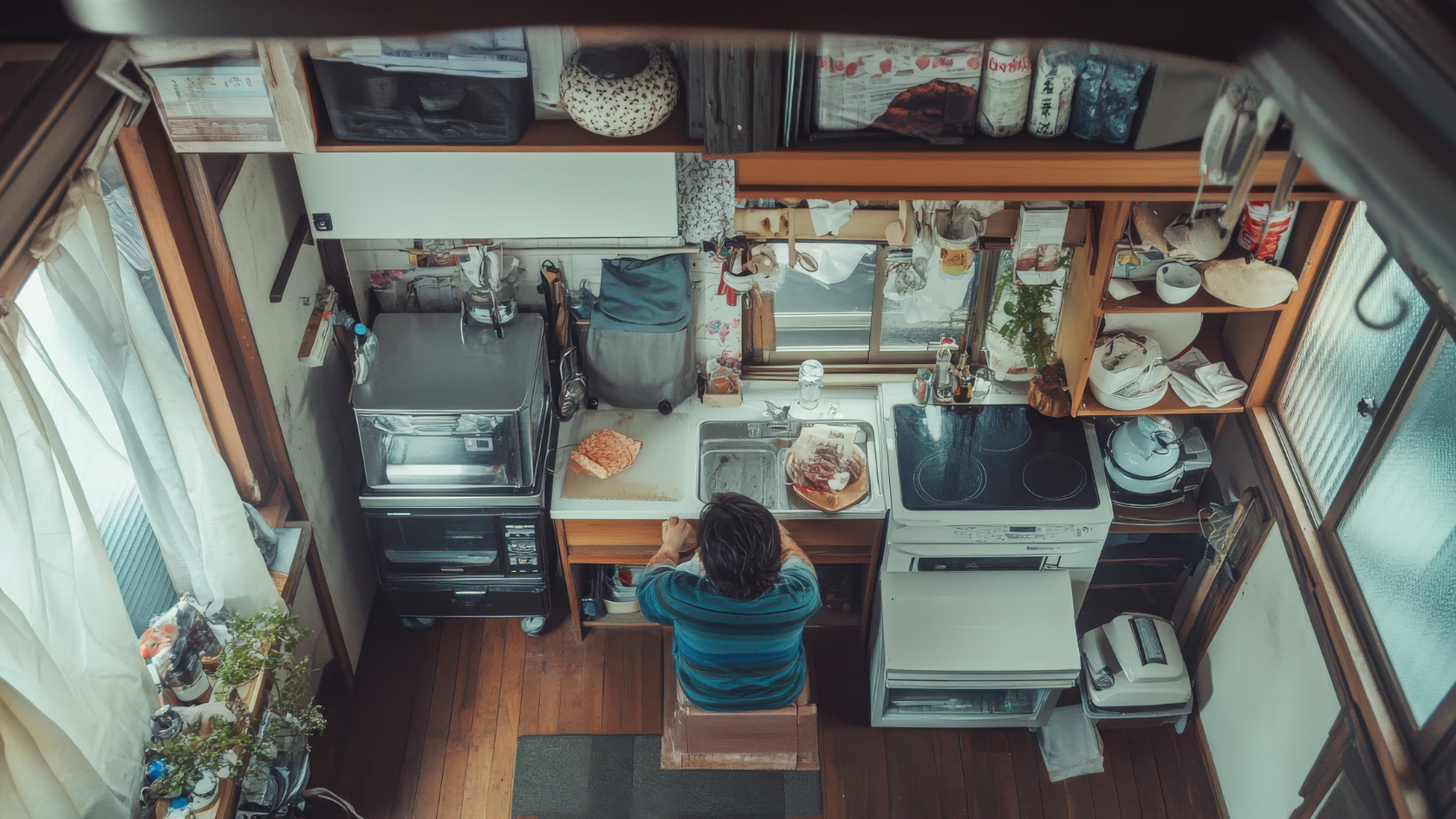
Small kitchens tend to show their limits quickly. One extra appliance, a few crowded cabinets, or the wrong lighting choice can make the whole space feel boxed in. Cooking becomes less enjoyable, storage feels tight, and even simple tasks start to feel awkward.
What many homeowners don’t realize is that most small kitchens aren’t truly too small. They’re just designed in ways that waste visual space. With smarter layout decisions and a few design shifts, a compact kitchen can feel noticeably larger and easier to live with.
This guide from Revive Works Remodeling breaks down exactly how to do that.
12 Tips on How to Make a Small Kitchen Look Bigger
To make a small kitchen feel bigger, you need to improve how the space moves, how light travels, and how visually busy the room feels. Kitchens shrink visually when cabinets overpower the room, lighting creates shadows, and finishes break up sightlines. Opening things up is less about removing walls and more about removing friction.
Below are just some of the best small kitchen design ideas remodeling professionals rely on to make this compact space feel wider, brighter, and more functional. Each one solves a specific problem that causes small kitchens to feel closed in.
1. Use lighter cabinet colors to reflect light
Cabinets dominate visual space in a kitchen. Dark or heavily grained finishes absorb light and make walls feel closer. Lighter cabinet colors reflect light back into the room, which helps the kitchen feel more open. Soft whites, warm off-whites, and light wood tones work especially well in tight layouts.
2. Extend cabinets to the ceiling
Kitchen cabinets that stop short of the ceiling create a horizontal break that visually lowers the room. Extending them all the way up draws the eye upward and makes ceilings feel taller. It also eliminates dusty dead space and adds storage without widening the footprint.
3. Choose simple cabinet door styles
Highly detailed cabinet doors add visual noise. In a smaller kitchen, that extra detail makes the room feel busier than it needs to be. Flat-panel or shaker-style doors keep the look clean and allow the eye to move through the space more easily.
4. Keep countertops visually clean
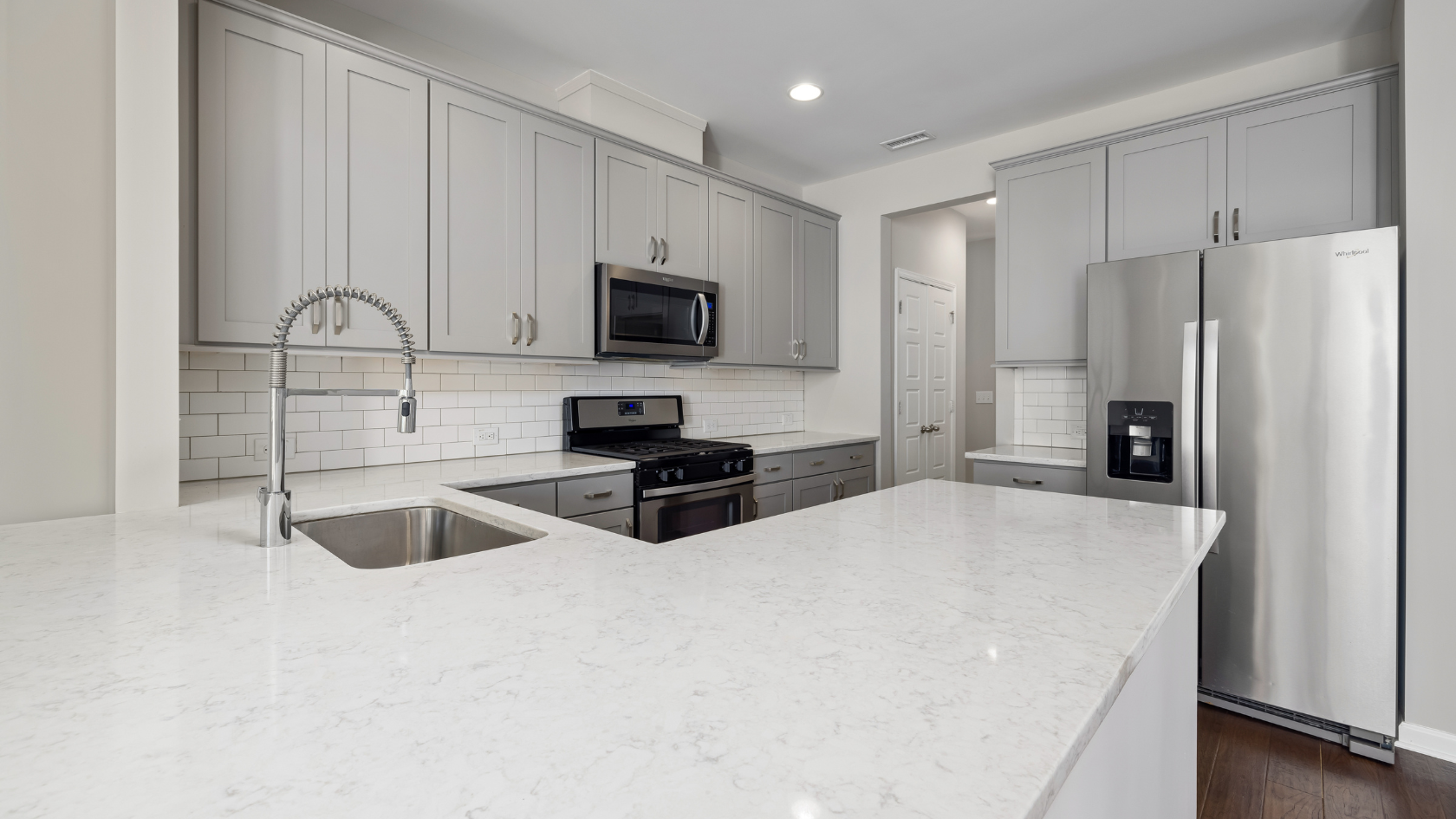
Crowded countertops are one of the fastest ways to make a kitchen feel cramped. When surfaces are packed with appliances and containers, the room loses breathing room. Prioritize storage solutions that keep daily-use items tucked away so counters stay open.
5. Use consistent finishes throughout the kitchen
Too many materials competing for attention break up visual flow. Keeping cabinet finishes, hardware, and surfaces cohesive helps the kitchen read as one continuous space instead of a collection of parts.
6. Improve lighting with layers, not just brightness
A single overhead light creates shadows that shrink a room. Layered lighting changes that. Combining ceiling lights with under-cabinet lighting and focused task lights brightens work areas and reduces dark corners that make kitchens feel smaller.
7. Use open shelving selectively
Open shelving can make a kitchen feel more open, but only when used sparingly. One or two open sections break up heavy cabinetry and add breathing room. Too much shelving, however, can feel cluttered and undo the effect.
8. Choose appliances scaled to the space
Oversized appliances overpower small kitchens. Compact or counter-depth appliances preserve walkways and keep proportions balanced. Panel-ready appliances that blend with cabinetry also reduce visual bulk.
9. Use light-enhancing backsplash materials
Backsplashes that reflect light help open up a kitchen. Glossy tile, light stone, or subtle reflective finishes bounce light around without drawing too much attention. Busy patterns tend to do the opposite.
10. Keep flooring continuous and uninterrupted
Changing flooring materials between rooms or within the kitchen breaks up sightlines. Using the same flooring throughout creates a smoother visual path and helps the kitchen feel wider.
11. Rethink layout before expanding it
Many small kitchens feel tight because the layout works against how the space is used. Simple shifts in appliance placement or work zones can improve flow without moving walls or plumbing.
12. Use sightlines to your advantage
Clear views into adjacent rooms make kitchens feel less boxed in. Removing visual barriers, widening openings, or adjusting cabinet placement can help the kitchen feel connected rather than closed off.
Smart Layout and Design Moves That Make Small Kitchens Feel Larger
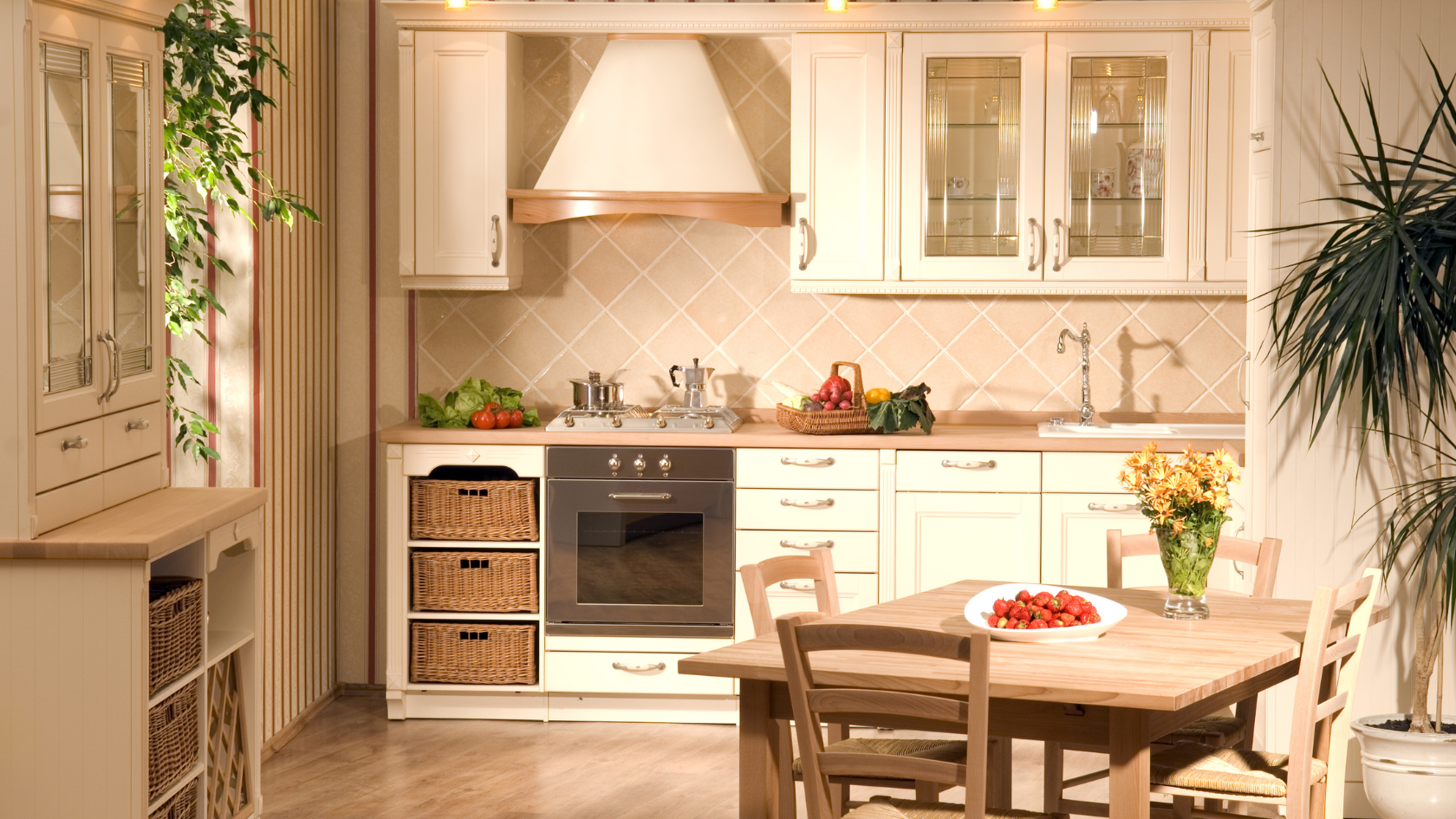
Once finishes and lighting are addressed, layout decisions become the biggest factor in how spacious a small kitchen feels.
Professional kitchen remodelers see this all the time. Two kitchens can have the same square footage, yet one feels open and easy to use while the other feels tight.
The difference usually comes down to how the small space is organized.
Improve flow without moving plumbing
Moving plumbing and gas lines adds cost fast, but many layout improvements don’t require it.
Shifting appliance spacing, adjusting cabinet widths, or relocating a prep area can improve circulation and reduce pinch points. Even small changes, like increasing clearance near the fridge or sink, can make the kitchen feel less congested.
Reduce upper cabinet dominance
Upper cabinets that run wall to wall can make a kitchen feel top-heavy. Reducing their visual weight helps open things up. This might mean shortening cabinet runs, mixing in open shelving, or choosing lighter cabinet finishes above and slightly darker tones below to ground the space.
Maximize corner and vertical storage
Corners are often wasted in small kitchens. Pull-out corner units, lazy Susans, and tall pantry cabinets make better use of existing space without adding bulk. When storage works vertically instead of spreading outward, the kitchen stays visually cleaner and easier to move through.
READ NEXT: How Long Does it Take to Remodel a Kitchen?
Frequently Asked Questions (FAQs)
How to make a small apartment kitchen look bigger?
In an apartment kitchen, focus on changes that do not require structural work. Use light cabinet and wall colors, simplify finishes, and improve lighting. Keeping countertops clear and choosing compact appliances also helps the space feel less crowded. Visual openness matters more than storage volume in tight apartment layouts.
How to make a small galley kitchen look bigger?
A galley kitchen feels larger when sightlines stay clear from one end to the other. Keep cabinetry light in color and imit upper cabinets on one side if possible. Also, use consistent flooring throughout. Strong task lighting and under-cabinet lighting help prevent the space from feeling tunnel-like.
How to make a small kitchen look bigger with paint?
Light, warm neutrals work best. Painting walls, trim, and ceilings in similar tones mitigates contrast and helps the room feel more continuous. Avoid dark accent walls in small kitchens, as they visually pull walls inward and break up the space.
How to make a small kitchen window look bigger?
Keep window treatments minimal or skip them entirely. Avoid heavy trim or dark frames that shrink the opening visually. Lighter wall colors around the window and reflective surfaces nearby help amplify natural light and make the window feel larger.
How to make a small dark kitchen look bigger?
Lighting is the priority. Add layered lighting with overhead fixtures, under-cabinet lights, and focused task lighting. Pair that with lighter finishes and reflective backsplash materials to bounce light around. Removing visual clutter also helps dark kitchens feel more open.
How to maximize a tiny kitchen?
Maximizing a tiny kitchen starts with reducing visual excess and improving flow. Prioritize vertical storage, keep countertops clear, use lighter finishes, and choose appliances scaled to the space. A smart layout will always do more than adding cabinets.
What color makes a kitchen look bigger?
Light, warm neutrals make kitchens look larger. Soft whites, off-whites, light greige, and pale wood tones reflect light and visually push walls back. Dark colors tend to absorb light and make small kitchens feel tighter (unless used sparingly).
How to make a small U-shaped kitchen bigger?
In a small U-shaped kitchen, openness matters. Use lighter cabinets, limit upper cabinetry, and keep at least one wall visually lighter or more open. Improving lighting and maintaining consistent finishes helps the space feel less enclosed.
Should fridge be next to sink or stove?
Ideally, the fridge should be closer to the sink than the stove. This setup supports food prep and minimizes traffic conflicts. Direct placement next to the stove is usually avoided due to heat and clearance issues.
What is the golden ratio in kitchen?
The golden ratio in kitchen design refers to balanced proportions between cabinets, counters, and open space. While not a strict formula, it guides designers to avoid overcrowding one area while leaving another underused.
What is the number one rule in the kitchen?
The number one rule is clear workflow. The kitchen should allow easy movement between cooking, prep, and cleaning areas without obstacles. When workflow breaks down, the kitchen feels smaller and harder to use.
Does the kitchen triangle apply to small kitchens?
Yes, but it often needs to be adapted. In small kitchens, the classic triangle between the sink, stove, and refrigerator still matters, but tighter layouts work better with compact work zones. The goal is efficiency, not strict distance rules. Keeping these elements close without crowding improves flow and makes the kitchen easier to use.
Where to put dishes in a small kitchen?
Dishes should be stored as close to the dishwasher and sink as possible. In small kitchens, lower drawers often work better than upper cabinets because they are easier to access and reduce visual bulk. Keeping dish storage near the cleaning zone improves workflow and keeps traffic from crossing the room.
Let’s Rethink How Your Kitchen Uses Space.
A small kitchen doesn’t fail because of its size. It struggles when the layout fights how you cook, store, and move through the room. When cabinets overwhelm the space, lighting creates shadows, or workflow breaks down, the kitchen feels tighter than it needs to be.
The right design choices can change this. With the right plan, a compact kitchen can feel open, efficient, and genuinely comfortable to use.
Our Portland kitchen remodelers at Revive Works Remodeling help homeowners rethink small kitchens with clarity and purpose. If your kitchen feels like it’s working against you, we’re here to help you design one that finally works the way it should.
Let's Talk About Your Project
From small fixes to full renovations, we treat your home like it's ours. Portland-based, reliable, and actually easy to work with.
Contact Us