
Can You Renovate a Historic Home? (+ 10 Factors to Consider Before a Remodel)
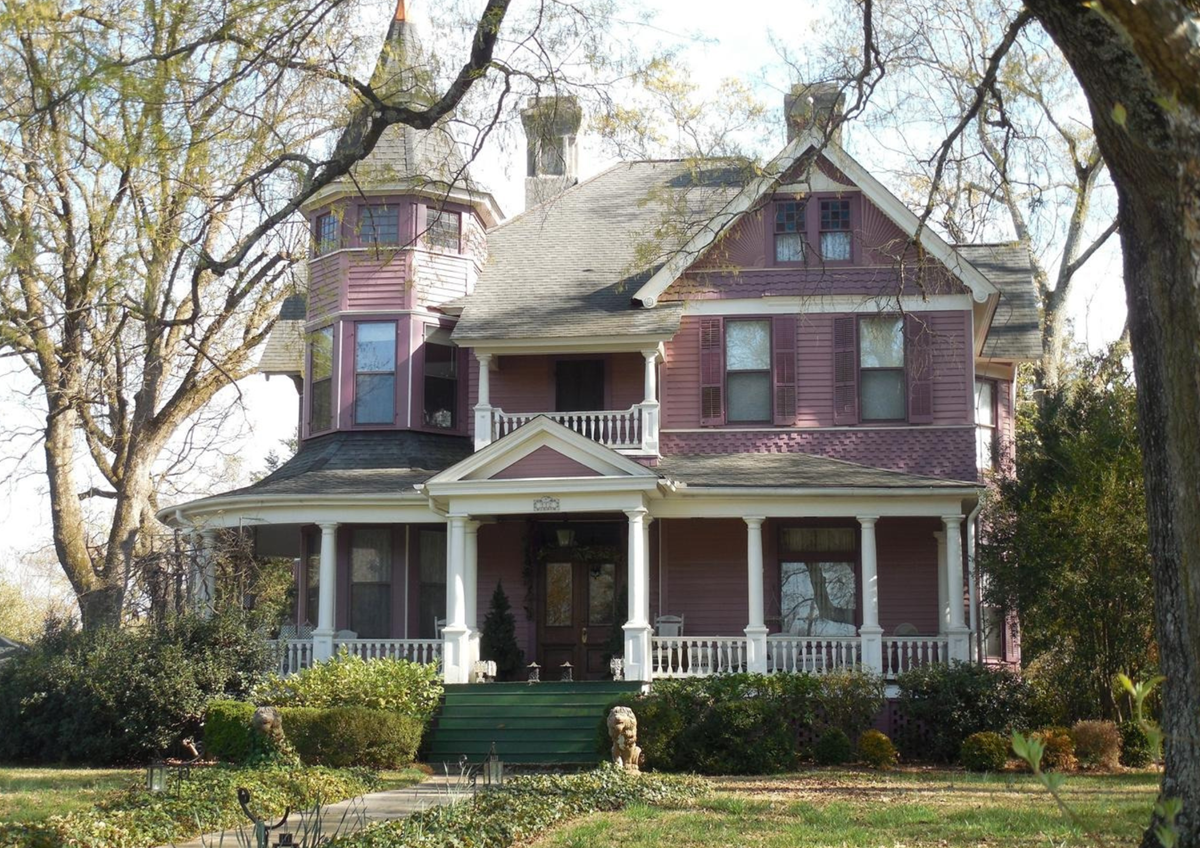
Portland is a city defined by its neighborhoods. Take the grand Colonials of Irvington or the charming, narrow-lot Victorians of Northwest 23rd for example. Our architectural landscape is a living museum.
However, when the plumbing is a century old and the floor plan feels labyrinthine, the question inevitably arises: Can you renovate a historic home without stripping away the very character that made you fall in love with it?
The answer is a nuanced blend of art, science, and a fair amount of red tape. Keep reading and let’s delve into the legalities of preservation, the structural realities of aging estates, and factors you must weigh before embarking on a historic restoration journey.
Can You Renovate a Historic Home?
Yes, you absolutely can renovate a historic home. In fact, modernization is often the only way to ensure these architectural treasures survive for another hundred years.
However, "renovating" in the historic sense is rarely about gutting a space to create an open-concept layout. Instead, it is a process of rehabilitation, repairing and altering a property to make it compatible with modern life while preserving those portions or features that are significant to its historical, architectural, and cultural values.
In Portland, Oregon, this process is governed by a mix of state and local guidelines that aim to protect our city’s aesthetic soul. Whether your home is on the National Register of Historic Places or sits within a local Historic Overlay Zone, there are pathways to upgrade your HVAC, remodel your kitchen, and even add square footage.
The key is balance. You are looking to marry the structural integrity of 2026 with the craftsmanship of 1926. While the "yes" is encouraging, it comes with a list of "hows" and "musts" that can be daunting for the uninitiated.
Before you pick up a crowbar or file for a permit, read on to explore the critical factors you need to consider to make sure your historic restoration project is a success rather than a cautionary tale.
Factors to Consider Before Renovating Historic Homes
Because these homes were built using historic materials and methods that are often obsolete, the planning phase must be significantly more robust than a standard renovation.
Below are the most critical factors that will define the scope, cost, and timeline of your historic home renovation project.
Local historic designations and zoning laws
Before you even think about paint colors, you need to know exactly how the city or state classifies your property. If you’re from Portland and your house is located in a designated Historic District (like Ladd’s Addition or King’s Hill), it is subject to Historic Resource Review.
This means any exterior changes, and sometimes even specific interior modifications, must be approved by the Portland Permitting & Development (PP&D). These regulations are designed to prevent "incompatible" alterations that would diminish the neighborhood's historical value.
Knowing whether your home is a "contributing" or "non-contributing" resource is the first step in your planning process.
The Secretary of the Interior’s Standards for Rehabilitation
If you are seeking federal tax credits or simply want to follow the best practices of preservation, you’ll need to get cozy with the Secretary of the Interior’s Standards.
They emphasize "repair rather than replace."
For example - if your original cedar siding is rotting in a few places, the standards suggest patching and repairing the specific sections as opposed to residing the entire house with modern fiber cement. Following these guidelines gives assurance that your renovation adds value rather than detracting from the home's pedigree.
Structural integrity and foundation settling
Portland’s wet climate and shifting clay soils are not kind to old foundations. Many of our old houses were built on post-and-pier foundations or unreinforced concrete that may be cracking or crumbling after a century of service.
With that being said, before you put a $140,000 kitchen on top of a failing base, a structural assessment is mandatory. You may find that your "simple" remodel requires a full foundation seismic retrofit, a common and wise investment in the Pacific Northwest, to make sure the home can withstand future tremors and another century of rain.
Hazardous materials mitigation
A historic home is a beautiful time capsule, but it’s also a repository for building materials we now know are dangerous. Lead-based paint was the industry standard until 1978, and asbestos was commonly used in floor tiles, pipe insulation, and siding.
Furthermore, older homes often feature "galvanized" plumbing that corrodes from the inside out, or knob-and-tube electrical wiring that poses a significant fire risk. An authoritative renovation plan must include professional testing and a remediation budget to handle these materials safely and legally.
Modernizing electrical and plumbing systems
The challenge of the historic home is hidden behind the walls. Our ancestors didn't have to worry about charging EVs, running high-speed Wi-Fi, or powering double ovens. Tearing into lath-and-plaster walls to run new Romex or PEX piping is a delicate operation.
You want to avoid Swiss-cheesing your original plasterwork. A skilled contractor can often find creative ways to route modern utilities through closets, crawlspaces, and "dead" cavities to keep the visible historical surfaces intact while giving you the power and water pressure of a new build.
Energy efficiency vs. historical accuracy
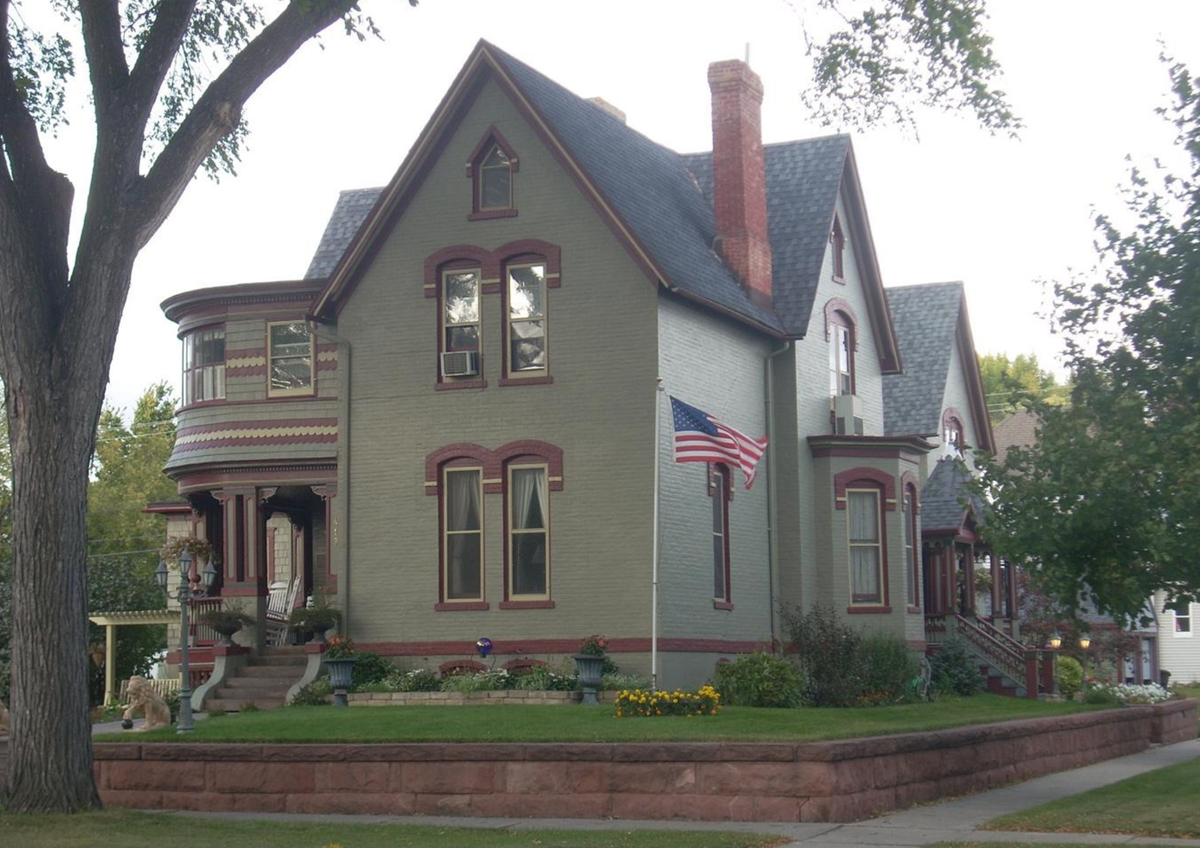
In a city that prides itself on sustainability, Portland historic homeowners face a conundrum: how do you make a drafty 19th-century home energy efficient without replacing its soul?
The "Great Window Debate" is the frontline of this battle. While modern vinyl windows offer better U-values, they often look visually flat and lack the depth of historic wood sashes.
The best approach (and the one often required by preservation boards) is to repair original windows and add high-quality, low-profile interior or exterior storm windows. This preserves the original "wavy" glass and wood craftsmanship while achieving energy performance that rivals modern double-panes.
In terms of insulation, it’s all about the attic and the crawlspace; blowing insulation into historic wall cavities can lead to moisture traps and rot if not done with a vapor-aware strategy.
Sourcing Period-accurate materials
A patch-and-repair job on a historic building shouldn't look like a patch.
Sourcing materials that match the original, like tight-grain old-growth Douglas Fir, hand-pressed subway tiles, or specific molding profiles, requires a deep rolodex of local salvage yards and specialty mills.
Portland is lucky to have resources like the Hippo Hardware or the ReBuilding Center, but for a 2,000-square-foot flooring repair, you may need a contractor who can custom-mill lumber to match the exact dimensions of your 1910 originals. If it doesn't look like it was there in the first place, it’s not a restoration. It’s a distraction.
Specialized labor and craftsmanship
You wouldn’t hire a general mechanic to fix a 1963 Porsche, and in the same vein, you shouldn't hire a standard renovation contractor for a historic home. These projects necessitate specialists who understand the chemistry of lime-based mortar (which breathes) versus modern Portland cement (which can crack old bricks).
They need to know how to work with lath and plaster, how to restore brass hardware, how to navigate the nothing-is-square reality of a century-old structure, etc. The labor cost is often higher, but the cost of fixing a "modern" mistake in a historic house is even higher.
Budget contingencies and "the unknown"
If a new build is a science, a historic renovation is an archaeological dig. You will find something unexpected behind a wall, whether it’s a hidden chimney, a structural "creative" fix from the 1940s, or a literal time capsule.
We advise to carry a 20% contingency fund. More than a safety net, it’s a standard operating requirement for working with the unpredictable nature of old buildings.
Tax credits and financial incentives
The silver lining to the complexity of historic work is the financial support available. In Oregon, the Special Assessment Program for Historic Property can "freeze" your income-producing historic property’s assessed value for 10 years, potentially saving you thousands in property taxes while you invest in the building’s rehabilitation.
To qualify, you must invest at least 10% of the property's value into the project within the first five years. It’s a powerful tool that makes the expensive way of doing things the right way much more affordable.
IMPORTANT: Many states in the US, such as California, Georgia, and Wisconsin offer their own, separate tax credits for residential, non-income-producing historic home rehabilitation, which the National Trust for Historic Preservation supports.
Don’t Let Your Home Become Ancient History.
Your home has survived world wars, the arrival of the internet, and a century of Oregon rain. It is a stubborn, beautiful piece of Portland’s identity. Don't let its next chapter be written by a contractor who thinks "character" is something you buy in a box at a big-box store.
Remodeling a historic home is a heavy lift, but you don't have to carry the weight of history alone. If you’re looking to stabilize a crumbling foundation or bring a Victorian kitchen into the modern age, you need a homegrown team that knows which rules to follow and which walls to respect.
If you’re ready to breathe new life into your old soul, look no further for historic home remodelers in Portland, OR. Contact Revive Works Remodeling today, and let’s make sure your home’s best years are still ahead of it. :)
Other Frequently Asked Questions (FAQs)
How much does it cost to restore a historic home?
Restoring a historic home in Portland typically costs approximately 30% more than a standard remodel. These costs are driven by the need for specialized craftsmanship, specialty vendors, historical material sourcing, increased custom cutting for unsquare walls/ceilings/floors/stairs, unforeseen surprises, and the necessity of bringing structural engineering as well as archaic electrical and plumbing systems up to modern 2026 codes.
While a full gut high-end kitchen in an older home might start around $120,000, the long-term value and aesthetic integrity gained from using period-accurate materials often outweigh the initial investment.
Can you tear down a historic home?
In Portland, tearing down a historic home can be difficult and often legally restricted. Most homes built in 1940 or earlier, or those designated as historic resources, are subject to the city’s Deconstruction Ordinance, which requires them to be meticulously taken apart by hand to salvage materials rather than demolished by machinery. It is the first US city to have such an ordinance.
Do historic homes get tax breaks?
Yes, Oregon offers preservation incentives through the Special Assessment of Historic Property Program. This program allows owners of National Register-listed, income-producing properties to "freeze" their home’s assessed value for 10 years, preventing property tax increases even after a major renovation. To qualify, homeowners must commit to a preservation plan and invest at least 10% of the property's real market value into rehabilitation within the first five years of the benefit period.