
How to Plan a Home Addition Project (+ High-Impact Expansion Ideas)
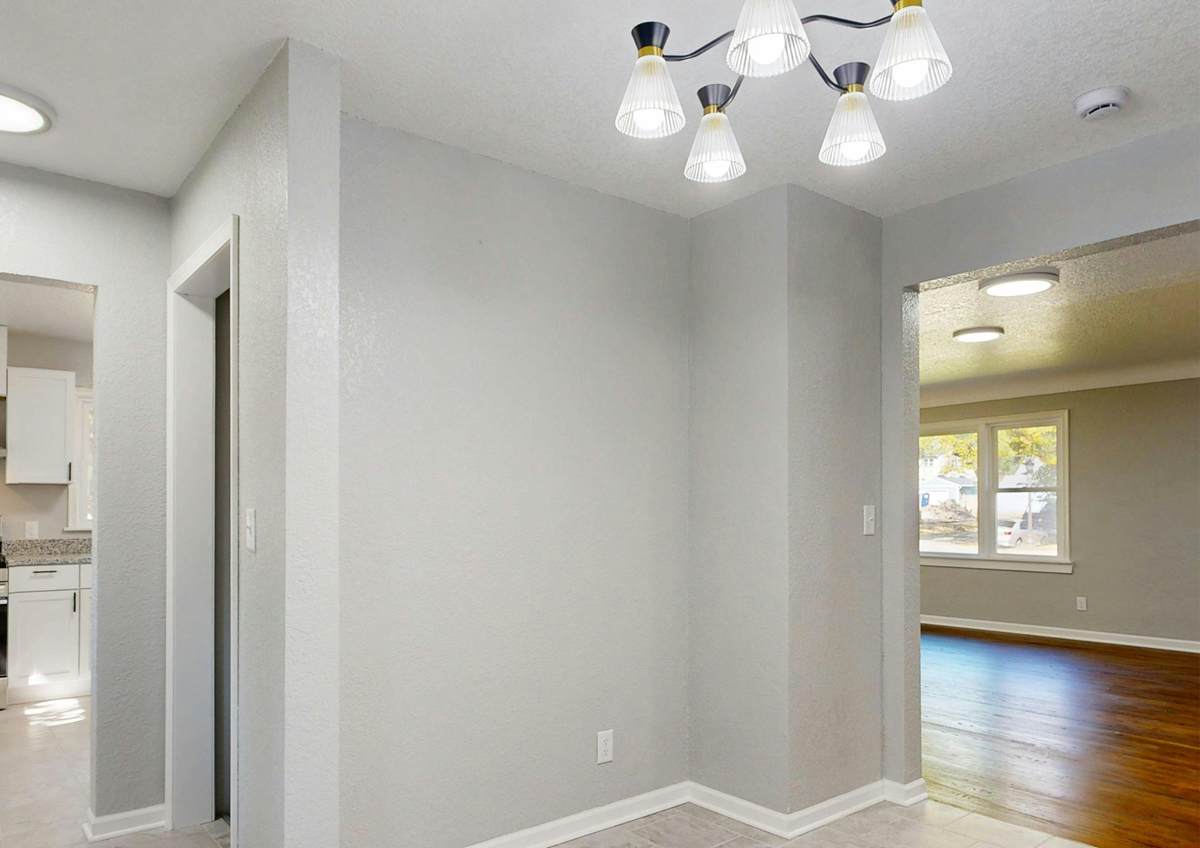
A home addition is a massive undertaking that sits somewhere between a standard home renovation and building a brand-new house. It’s a high-stakes puzzle where you have to marry new structural loads, modern HVAC requirements, and updated electrical codes with a foundation that has been settled for decades.
To get there, you need a plan that accounts for everything from property setbacks to the specific tie-in points of your roofline. Without more ado, let’s get to the critical steps on how to plan for a home addition.
8 Critical Steps on How to Plan an Addition to Your Home
Planning an addition to your home requires a balance of architectural vision and cold, hard logistics.
These steps are designed to walk you through the pre-construction phase to make sure your project stays on track, on budget, and up to Portland’s specific building codes.
1. Define your primary functional objective
Before you fall in love with a specific floor plan or a set of French doors, you have to get incredibly honest about the "why" behind the project.
Are you building a dedicated home office to escape the noise of the kitchen?
Are you creating a multi-generational suite for a parent?
The specific function dictates every technical decision that follows.
For instance, a bump-out meant to expand a kitchen requires heavy-duty plumbing and gas line extensions, whereas a pop-top second-story addition focuses more on structural reinforcement of the existing first-floor walls.
By narrowing down your primary goal, you allow your design team to prioritize the must-have square footage over aesthetic features that might eat up the budget without solving the space problem.
2. Determine a realistic project budget and contingency
One of the biggest mistakes homeowners make is calculating the home addition cost based solely on cost-per-square-foot averages they find online. Additions are almost always significantly more expensive than new construction because of the complexity of the tie-in or the point where the new structure meets the old one.
You aren't just building a room but are surgically altering your existing home.
A professional budget must factor in the costs that don't show up in the final photos, namely:
Demolition and Discovery: Once you open up an exterior wall, you might find outdated wiring or dry rot that must be fixed before the new work begins.
Matching Materials: Sourcing siding, roofing, or hardwood flooring that matches 20-year-old materials can carry a premium price tag.
The 20% Buffer: We always recommend a 20% contingency fund. This is a safety net for the surprises that inevitably live behind your drywall.
3. Audit your property’s zoning and easement restrictions
Your lot has a buildable envelope that is strictly defined by local zoning laws and city setbacks. Before you spend a dime on architectural drawings, you need to know exactly how close you can legally get to your property lines.
In many Portland neighborhoods, there are also floor-area-ratio (FAR) limits that cap how much total square footage you can have relative to the size of your lot.
You also need to check for utility easements or protected trees. If a city sewer line runs through your backyard or a heritage oak tree is within the drip line of your proposed foundation, your project could be dead on arrival.
Getting a professional land survey early in the planning stage prevents you from falling in love with a design that the city will never allow you to build.
4. Select the appropriate type of addition
The physical direction you choose to build - up, out, or even down - will be the single biggest driver of your construction timeline and labor costs.
Each direction comes with a unique set of structural hurdles that your general contractor and engineer must solve during the planning phase. The most common types of home additions are as follows:
Ground-level additions
These are the most common, but they require significant excavation and a new foundation pour. They are ideal if you have plenty of backyard space and want to avoid the stairs.
Second-story additions
These pop-tops are great for small lots, but they are technically demanding. Your existing foundation and first-floor studs must be inspected to ensure they can carry the massive weight of a whole new floor.
Cantilevered bump-outs
If you only need an extra 2 or 3 feet for a breakfast nook or a bathtub, a cantilevered addition ‘hangs’ off the side of the house without needing a new foundation, though it has strict structural limits.
5. Design for architectural continuity
A common pitfall in home additions is when the new wing looks like a shipping container bolted onto a Victorian or Mid-century ranch. Achieving seamless continuity requires matching the original home’s architectural DNA, which is often harder than it sounds.
You have to look at the "reveal" of your siding, the specific pitch of your roofline, and even the muntin patterns in your windows.
When planning, don't just think about the interior footprint. Consider how the exterior massing affects your curb appeal. A professional design will replicate the existing trim profiles and use the same masonry or paint textures so that five years from now, a neighbor wouldn't be able to tell where the original house ends and the addition begins.
6. Evaluate and upgrade existing HVAC and electrical capacity
Your home’s mechanical systems were likely sized precisely for its original square footage. Adding a new primary suite or a sprawling family room often pushes your furnace, AC, or electrical panel past the breaking point.
Part of a smart plan involves an energy audit of your current systems to see if they can survive the expansion.
For example, if you have an older 100-amp panel, adding modern lighting and outlets usually requires an upgrade to a 200-amp service to meet code.
When it comes to zoned heating and cooling, sometimes extending bulky ductwork into a new wing is more expensive than it’s worth. In these cases, a ductless mini-split system is a lifesaver as it provides independent climate control for the addition without overtaxing your main furnace.
Also, if your addition includes a wet room (bath or laundry), planning the proximity to existing stack lines can save you thousands in trenching and material costs.
7. Navigate the permitting and inspection schedule
In Portland, Oregon, the permitting process is the gatekeeper of your timeline. You cannot simply start swinging hammers once you have a drawing; you need a master permit that typically involves reviews from structural, electrical, and plumbing departments.
Planning for this means building a 4-to-8-week waiting window into your schedule before the first delivery of lumber arrives.
Beyond the initial paperwork, your project will be governed by a series of milestone inspections. The city inspector must sign off on the "open" work - like the foundation rebar, the wall framing, and the rough-in plumbing and rough-in electrical - before any insulation or drywall can be installed. All work done requiring permits will also need to be additionally inspected and signed off on after the work is finished as well.
If you don't plan these inspections into your workflow, your crew could be sitting idle for days waiting for a city official to show up, which stalls the entire project.
8. Establish a site logistics and living plan
The reality of a new addition to your home is that your backyard will become a construction zone and your hallway will become a dusty thoroughfare.
You need a survival plan for the 3 to 6 months of active labor. This includes designating a staging area where dumpsters and materials can sit without killing your prize rose bushes or blocking your neighbor’s driveway.
If the addition involves a kitchen or the home's only bathroom, you have to decide if you are camping out in the unaffected rooms or moving out entirely for the most invasive and dust-filled weeks.
Versatile Expansion: 5 High-Impact Home Addition Ideas
If you know you need more space but aren't sure which direction to grow, these popular addition types offer the best balance of lifestyle improvement and property appreciation. Each one solves a specific bottleneck common in older Portland homes.
1. The primary suite retreat
Many homes built before 1980 lack a true master bedroom with an attached ensuite and walk-in closet. Adding a dedicated primary wing allows you to escape the morning chaos of a shared hallway bathroom. This is often the highest-ROI addition because it corrects a major functional deficit that modern buyers expect to see in a forever home.
2. The seamless kitchen bump-out
You don’t always need a massive 500-square-foot addition to transform your home. A strategic 5-to-10-foot bump-out in the kitchen can create enough room for a walk-in pantry, a central island with seating, or a dedicated breakfast nook.
Because this uses a smaller footprint, it’s a cost-effective way to fix a cramped floor plan without losing your entire backyard.
3. The detached accessory dwelling unit (ADU)
In Portland, ADUs are a premier way to add value. Whether it’s a standalone backyard cottage or a mother-in-law suite over a detached garage, this provides a completely separate living space.
4. The sunroom or four-season conservatory
Given our Pacific Northwest climate, a glass-heavy sunroom allows you to enjoy natural light year-round without the chill. Unlike a simple deck or patio, a four-season sunroom is tied into your home’s HVAC system, making it usable in January.
It serves as an ideal home office, art studio, or indoor garden space that blurs the line between indoors and out.
5. The pop-top second-story addition
When your lot is too small to build outward, the only way to go is up.
Adding a second story can double your square footage without changing your home’s footprint. This is the ultimate solution for small urban lots as it allows you to move all bedrooms upstairs and dedicate the entire first floor to open-concept living and entertaining.
Blueprints to Better Living: Your Next Step
Taking on a home addition is a journey that transforms not just your property value, but the way you experience your daily life. It’s the ultimate solution for a family that loves their neighborhood but has simply outgrown their four walls.
Our team at Revive Works Remodeling is ready to help you navigate the complexities of Portland’s building codes and architectural styles to make your dream space a reality.
Call us today for a consultation on your home improvement project in Portland, OR.
Home Addition Plan FAQs
Where to start when building a home addition?
The absolute first step is a feasibility study. Before you pick out paint or even hire an architect, you need to know your buildable envelope. This means checking your property lines, local zoning laws, and setbacks to see if the city will even allow a structure where you want it. Once you know what is legal, you can move on to defining your budget and functional goals.
What is the cheapest way to add on to a house?
Building out is generally more affordable than building up, provided you have the yard space. Specifically, a bump-out addition, which extends an existing room by a few feet without requiring a full new foundation, is the most budget-friendly way to gain space. Additionally, finishing an existing basement or attic can be significantly cheaper than a stick-built addition because the shell and roof are already in place.
How to make a home addition look good?
Continuity is the secret to a high-end look. You must match the roof pitch, window proportions, and siding reveal of the original structure. If you have a brick home, matching the mortar color is vital. Inside, ensure the ceiling heights and trim profiles are identical to the rest of the house so the transition between old and new is invisible.
How to draw home addition plans?
Unless you have a background in spatial planning and structural engineering, we advise against drawing your own final plans. You can start with a bubble diagram to show the flow of rooms, but you will eventually need an Interior Designer, Spatial Planner or Architect to create permit drawings and construction-ready blueprints. These must include a site plan, floor plans, elevation drawings, and structural sections to satisfy city permit offices and ensure the building won't collapse under its own weight.
How to plan dumpster rental for home addition?
Demolition creates more debris than most people anticipate. For a standard addition, you will likely need a 20 or 30-yard roll-off dumpster. Plan to have it delivered a day before demolition starts and placed on a flat, hard surface (like a driveway).
PRO TIP: place plywood boards down first to prevent the heavy steel wheels from cracking your concrete.
What is the best time to build a home addition?
In the Pacific Northwest, the best time to start is late spring or early summer. This allows you to complete the excavation, foundation pour, and drying in (roof and siding) during the months with the least rainfall. While interior work can happen year-round, you want the structural shell finished before the heavy autumn rains arrive.
READ NEXT: Best Time of Year to Remodel a Home