
How to Remodel a Kitchen on a Budget
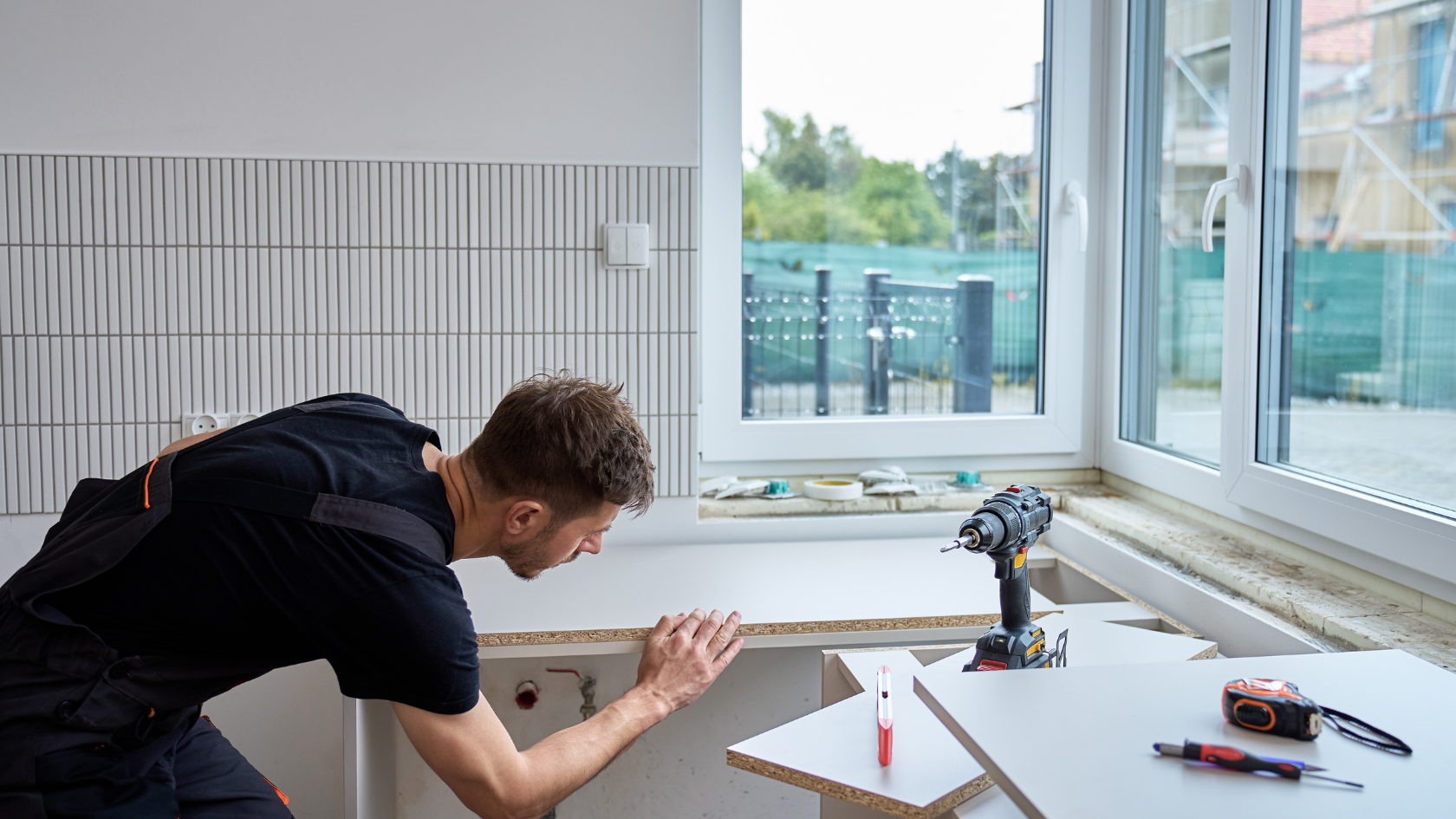
Remodeling a kitchen is one of those projects that excites and intimidates homeowners in equal measure. It’s where daily life happens - where you cook, gather, and start your mornings. It deserves to look and work the way you want. But as anyone who’s ever priced out new cabinets knows, kitchen remodels can get expensive fast.
But a beautiful, functional kitchen doesn’t or shouldn't require a luxury budget. You can give your kitchen a full refresh while keeping costs under control. This guide covers exactly how to do that.
How to Remodel a Kitchen on a Budget
A kitchen remodel on a budget must start by setting a clear spending limit and focusing on updates that deliver the most impact. Keep your existing layout to avoid costly plumbing or electrical work, and refresh rather than replace where possible.
Painting or refacing cabinets, updating hardware, adding new lighting, and installing a modern backsplash can make a tremendous difference without major expense. Mix affordable materials with a few standout upgrades, shop local sales, and work with a reliable remodeling team to stay on track and within budget.
Keep reading below for practical cost-saving tips, real budget ranges, and expert advice on your kitchen reno project.
Set a clear and realistic budget
Before the first kitchen cabinet door comes off, know your limits. Write down what you’re willing (and able) to spend, then break that total into categories: cabinet hardware, countertops, flooring, appliances, lighting, and labor. A realistic kitchen remodel budget usually includes a 10–15% buffer for the unexpected, because there’s always something.
Once you know your total, prioritize what matters most to you. If cooking is your passion, invest more in appliances. If your kitchen layout works fine but looks dated, direct most of your funds toward finishes and surfaces instead.
Keep your existing layout if possible
Changing your kitchen layout, especially moving plumbing or gas lines, is one of the fastest ways to blow your budget. Keeping the same footprint saves thousands in labor and permits while still leaving room for major visual change.
You can still make your old kitchen feel completely new by rethinking how you use your space. Replace bulky upper cabinets with open shelving, or add an island if the layout allows. These kinds of updates give your outdated kitchen a new flow without requiring expensive rerouting or demolition.
Focus on high-impact updates
For a budget kitchen remodel, focus on what people actually see and use every day. Some of the most effective, affordable upgrades include:
Painting or refacing existing cabinets
Replacing outdated hardware
Installing a new backsplash
Refinishing floors instead of replacing them
Updating light fixtures
Small changes like these can also be done gradually without taking your kitchen completely out of service.
If you want professional results without the overwhelm, a local Portland home remodeling team can help plan, source, and execute affordable upgrades that make a real difference.
Cost-Saving Tips to Remodel a Kitchen That’ll Still Look High-End
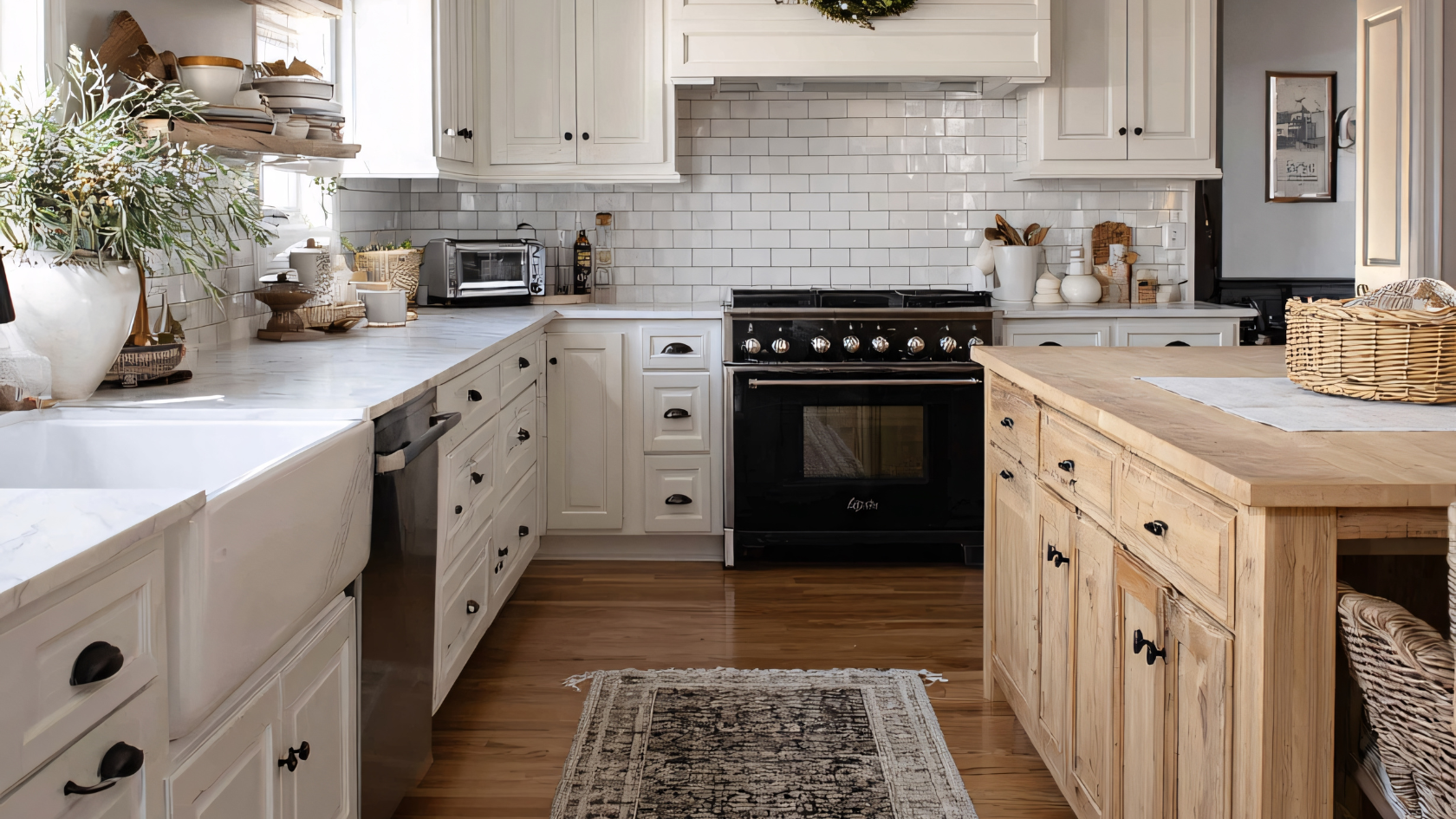
You don’t need an endless budget to make your kitchen look polished. What matters most is how the elements work together: materials, colors, and details that create a cohesive space.
The following cost-saving kitchen remodel ideas help you save money without sacrificing quality or style.
Mix materials wisely
You can have an upgraded look without designer prices. The trick is to mix affordable and premium materials where they’ll have the biggest impact.
Use a solid-surface (like Corian) or laminate countertops for most of the kitchen, and reserve high-end quartz or stone for the island or backsplash. Pair ready-to-assemble base cabinets with custom doors or panels for a more upscale appearance.
These small choices stretch your budget while keeping the finished space visually consistent.
Reface or paint cabinets instead of replacing
Cabinets are arguably the biggest expense in any kitchen remodel. If the layout and structure are solid, it’s needless to replace them. Reface or repaint instead.
Refacing means replacing only the doors and drawer fronts while keeping the existing boxes. It’s a fraction of the cost of new cabinets and instantly modernizes the room.
Painting cabinets works well when they’re still in good shape. A fresh coat of paint in a modern color like sage, navy, or soft white can completely change the space’s feel.
Either approach costs a lot less than new cabinetry and delivers a major visual transformation.
Shop strategically
Kitchen makeover savings often come down to where you shop and when. Look for local Portland suppliers and building reuse stores that offer quality materials for less. Salvaged or overstock tile, fixtures, and lighting can often be found at half the retail cost. However, be careful trying to integrate used products into your kitchen makeover, as this could increase costs by requiring custom solutions.
Also, time your purchases around seasonal sales; late winter and early fall are great times to buy appliances or flooring when prices dip.
Prioritize lighting and functionality
Lighting can make or break your DIY kitchen remodel. It’s one of the easiest ways to make a kitchen feel high-end, no matter your budget.
Focus on layering light sources: recessed ceiling lights for general brightness, pendant lights for mood, and under-cabinet lighting for everyday tasks.
Even affordable LED fixtures can make your small space look brighter, cleaner, and more finished.
ALSO READ: How Long Does it Take to Remodel a Kitchen?
Kitchen Design Choices That Save Money Without Sacrificing Style
Style doesn’t have to mean spending more. With thoughtful design, even a small, budget kitchen can look timeless and feel custom-built.
Stick with timeless finishes
When you’re trying to remodel smartly, choose materials and colors that age well. Neutral cabinets, light walls, and classic subway tiles always hold up. Wood accents and matte black hardware bring warmth and contrast without inflating your costs.
Avoid super trendy finishes or colors that might date your kitchen in a few years. Keeping the design simple not only saves money but also makes your space easier to update later with minor tweaks.
Use open shelving strategically
Open shelves cut costs by reducing the need for upper cabinets and help smaller kitchens feel more open. They’re also a great way to show off dishes, glassware, or plants for a touch of personality.
Stick to just one or two shelves per wall so your kitchen doesn’t feel cluttered. Pair them with neatly arranged items. Think wood shelving units or metal storage racks for a balanced mix of form and function.
Upgrade smartly
You don’t have to go big to make a difference. Focus your budget on details that matter: durable drawer pulls, modern kitchen faucets, soft-close hardware, and sturdy flooring.
These are the small, tactile things you’ll interact with every day, and they create the lasting impression of quality.
Sometimes the best remodeling choice isn’t what you add but what you keep. If your kitchen has good bones, the right updates can make it feel new without tearing it apart.
What Is a Realistic Budget for a Kitchen Renovation?
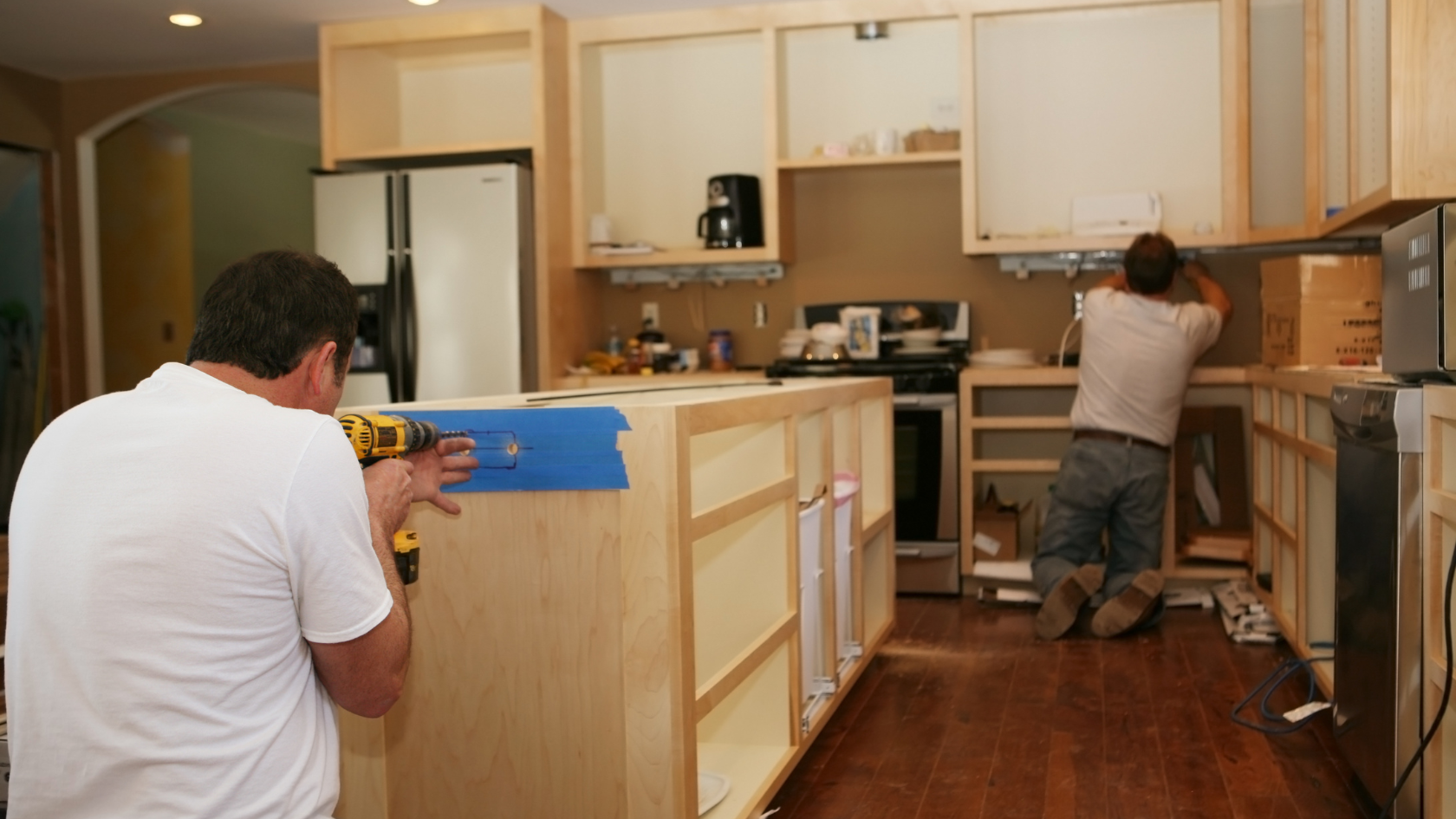
Kitchen remodel costs can swing wildly, and no two projects are ever the same. The good news is that you can absolutely get a fresh, functional kitchen without spending a fortune. The key is setting expectations that match your goals and your space.
If you’re working with a tighter budget and want to do a light remodel, $27,500 to $40,000 can go a long way when you keep the same layout, refresh surfaces, and make selective updates instead of full replacements.
In Portland, Oregon, a medium kitchen remodel can land between $70,000 and $100,000, depending on materials, size, and labor. That typically covers new cabinet fronts, countertop, flooring, paint, and upgraded lighting.
On the higher end, large-scale remodels with new cabinets, appliances, and flooring throughout can reach $125,000 to $200,000 or more, but that level of work usually includes structural changes or custom features.
What Is the Most Expensive Part of Redoing a Kitchen?
It usually starts with cabinetry. Cabinets and countertops often make up 25–40% of the entire remodel budget, which makes sense when you consider how much visual space they take up and how permanent they are.
High-quality cabinetry can last decades, but the price depends on materials and customization. Stock cabinets are the most budget-friendly option, while semi-custom and custom designs add flexibility (as well as increased cost and lead-time).
Countertops follow a similar pattern: laminate and butcher block (requires more extensive maintenance) are affordable; quartz and natural stone push into premium territory.
Other cost-heavy areas to consider
Appliances – Replacing all major appliances can easily run several thousand dollars, especially for high-efficiency or built-in models.
Labor and installation – A good contractor project manages a wide array of vendors or subs, scheduling, and makes everything fit, function, and last. While it’s not the “flashy” part of a remodel, expert installation protects your investment.
Layout changes – Anytime plumbing, electrical, or walls move, costs rise. Even small adjustments require more materials and labor.
How Do I Decide Where to Put Things in My Kitchen?
Designing a kitchen layout is part strategy, part common sense. It’s about function, making sure your space fits how you cook, move, and live every day. Even if you’re not changing the footprint, smart organization can make it look like a new kitchen.
Follow the work triangle
This tried-and-true layout principle connects the three main points of activity: the sink, the stove, and the refrigerator. Keeping these within easy reach (but not too close) helps you move efficiently while cooking or cleaning.
If you’re working with a smaller kitchen, you can adapt the triangle into a work zone approach—prep, cook, clean, and store—which keeps everything you need grouped by task.
Plan storage around your habits
The best kitchen layout fits the way you use it. Store everyday items where you naturally reach for them. Keep pots and pans near the stove, utensils in drawers by the prep area, and dishes close to the dishwasher.
For smaller spaces, maximize every inch with pull-out drawers, corner organizers, or a vertical storage cabinet that goes up instead of out. These kinds of storage solutions make even compact kitchens feel organized and easy to use.
Keep accessibility in mind
Your kitchen should work for everyone in the household. Use drawers instead of deep lower cabinets for easier access, and keep heavier appliances or pans at waist level. If space allows, add a lazy Susan or slide-out shelf system in corner areas to reduce dead zones.
A well-organized kitchen stays cleaner, functions better, and makes cooking feel less like a chore.
How Revive Works Remodeling Can Help
At Revive Works Remodeling, we’ve helped homeowners across Portland, OR turn tired kitchens into spaces that feel fresh and built to last without blowing the budget. We take a practical approach to every project, helping you find the best materials, reuse what makes sense, and invest where it counts.
Our team can handle everything, including design, planning, installation, and finishes. Rest assured we keep communication clear and costs transparent from start to finish. You will get craftsmanship that respects your budget and results that make your home feel newly bought.
Final Thoughts
Remodeling a kitchen on a budget is all about making smart choices that fit your life. Every good remodel starts with a plan, a clear sense of priorities, and a willingness to get creative. You definitely don’t have to spend luxury-level money for your dream kitchen.
If you’re thinking about a remodel in your Portland home and want help making the most of your budget, Revive Works Remodeling is here to provide genuine expert guidance. We’ll help you design smart, build well, and get the results you’ve been imagining.
Call us for a quote or consultation today.
Let's Talk About Your Project
From small fixes to full renovations, we treat your home like it's ours. Portland-based, reliable, and actually easy to work with.
Contact Us