
Small Bathroom Remodel: A Complete Guide to Maximizing Function and Comfort
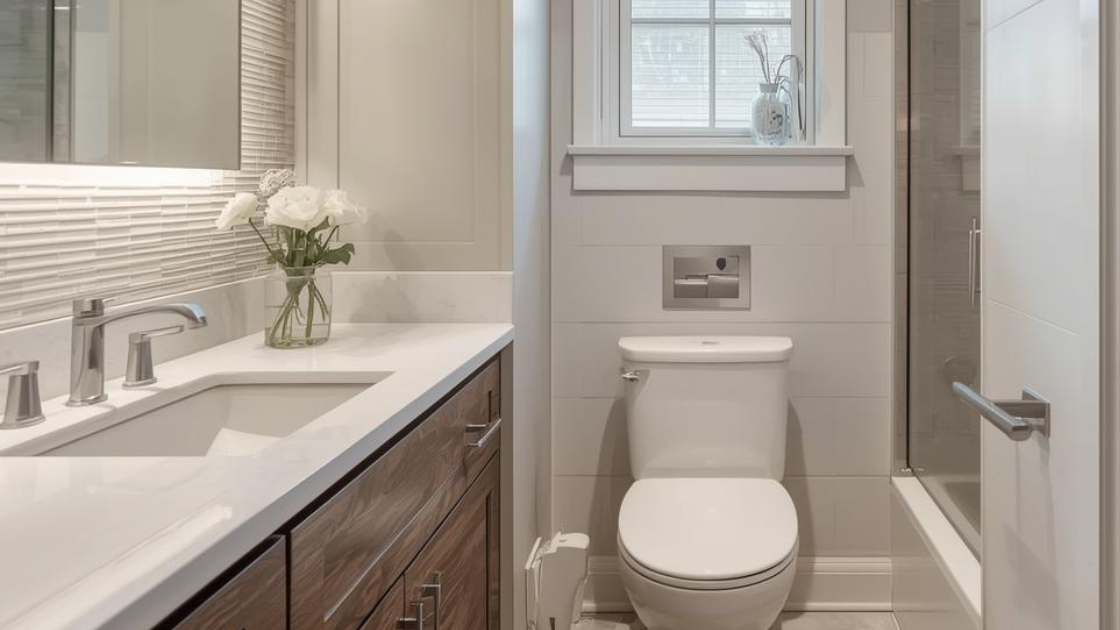
Small bathrooms test your creativity. With so little room to work with, every choice, from tiles, vanity, to lighting, shapes how the space feels and functions.
A good remodel can take what feels cramped and outdated and turn it into a bathroom that’s both useful and inviting.
In this guide, we’ll break down the average costs, timelines, step-by-step process, and design ideas that make a small bathroom remodel in Portland, OR worth the effort.
Why Small Bathrooms Are Worth Remodeling
Even though they take up less square footage, small bathrooms can make a big difference in how a home feels and functions.
Remodeling them doesn’t only improve daily comfort. It can also add value and efficiency to the house overall.
Improve comfort and usability
A cramped bathroom often feels more like a hassle than a functional space. Remodeling opens up opportunities to rethink layout, add better lighting, and use space more efficiently.
Even simple updates, like a floating bathroom vanity or a walk-in shower, can make the room easier and more pleasant to use.
Add resale value
Bathrooms are one of the first areas buyers notice. A dated or poorly maintained bathroom can bring down the impression of the entire house.
Updating fixtures, tile, and finishes in a small bathroom can provide a strong return on investment, helping the home stand out in a competitive market.
Boost energy efficiency
Modern fixtures are designed with conservation in mind. Low-flow toilets, water-saving faucets, and LED lighting not only lower utility bills but also make the home more eco-friendly.
The upfront cost may be higher for certain upgrades yes, but they pay off long-term through reduced energy and water use.
How Much Does It Cost to Remodel a Small Bathroom?
The cost of a small (5’ x 8’) bathroom including materials, permits and labor varies widely depending on the quality of the materials chosen, and the amount of structural work involved. Below are the price ranges of small bathrooms, based on work scope and the amount of work involved.
Light Remodel
Cost: 12.5-22.5k
Work Scope:
1. Replace Flooring
3. Replace Base Trim
3. Paint
4. Replace Plumbing Fixtures
5. Electrical | Lighting replacement
Medium Remodel
Cost: 32.5-37.5k
Work Scope:
1. Replace Flooring
2. Replace Base trim
3. Replace Door & Door trim
4. Paint
5. Replace Vanity
6. Replace Plumbing fixtures & Install Pex for supply lines & New Peatrap
7. Replace Tub, Retile Shower or install a 4 piece Shower Enclosure Kit, etc.
8. Electrical | Lighting replacement
Full Gut
Cost: 40-47.5k
Work Scope:
1. Architect or Designer plans
2. Rough in Plumbing | Replace plumbing fixtures & Install Pex for supply lines & New Peatrap
3. Rough in Electrical | Reroute electrical lines for new lighting placement and new switch placement
4. Replace Insulation
5. Remove old drywall and replace with new drywall & desired texture finish (Orange peel or Flat for walls and Knockdown, Orange peel, Flat or Popcorn for ceiling)
6. Replace flooring & Transition strip
7. Replace Vanity
8. Replace Base trim
9. Replace Door & door trim
10. Paint
11. Finish Plumbing | Replace Tub, Retile Shower or install a 4 piece Shower Enclosure Kit, etc.
12. Finish Electrical | Lighting replacement
13. HVAC | Replace Bathfan
On average, Portland homeowners spend anywhere from $37,500 to $45,000 for a full gut remodel, though smaller updates may cost less and extremely high-end finishes can push the price higher.
Factors that affect cost
Several variables influence how much you’ll end up spending. The most common include:
Size of the bathroom – Even among “small” bathrooms, a half bath will cost less than a compact full bath with a shower or tub.
Materials and finishes – Tile choice, countertop quality, and plumbing fixtures make a huge difference.
Labor costs – Contractors, plumbers, and electricians each add to the final total, and skilled labor is often the largest expense.
Structural or plumbing updates – Moving pipes, fixing water damage, or upgrading subflooring adds time and cost.
Budgeting tips
A remodel doesn’t have to spiral out of control if you plan carefully. Smart budgeting often comes down to:
Prioritizing essentials – Waterproofing, plumbing, and ventilation should always come first.
Splurge vs. save – Invest in fixtures you’ll use daily (toilet, shower, sink) and save on cosmetic choices like paint or mirrors.
Leave a cushion – Set aside 10–15% of the budget for unexpected issues. Older bathrooms often hide surprises, like mold, dry rot or outdated plumbing.
ALSO READ: How to Make a Bathroom Handicap Accessible
How to Remodel a Small Bathroom?
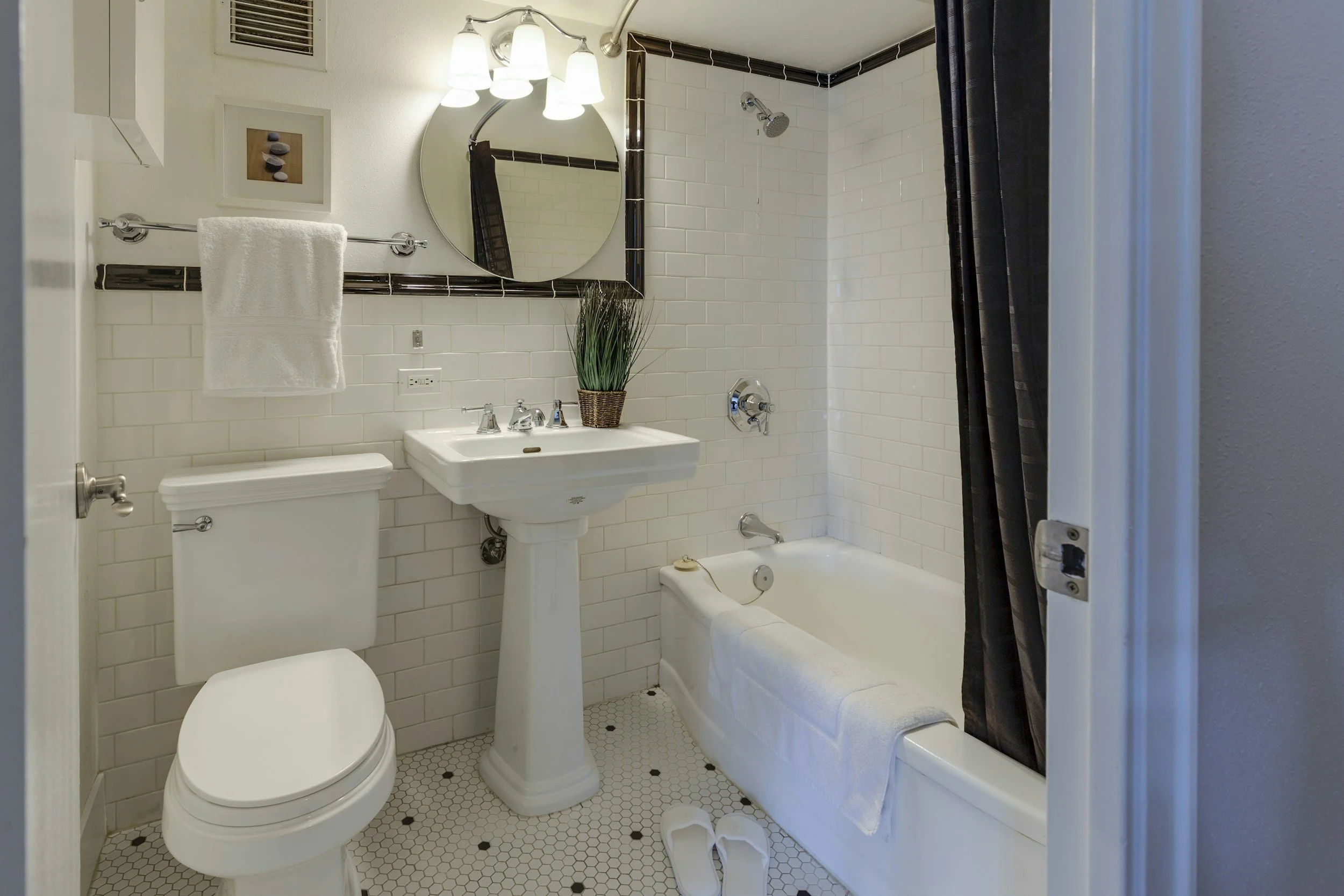
Remodeling a small bathroom takes planning, patience, and attention to detail. While the space is compact, there are several steps involved to get the job done right.
Planning and design
Every remodel begins with a clear plan. Homeowners should measure the space, decide on a budget, and outline priorities.
Do you want to add storage?
Replace an old bathtub with a walk-in shower?
Or simply refresh the finishes?
At this stage, it also helps to gather inspiration from photos and decide whether you’ll hire a contractor or handle parts of the work yourself.
Demolition and prep work
Once plans are in place, the existing bathroom has to be stripped down. This usually means removing old flooring, tile, vanities, and sometimes drywall.
Prepping the space properly, such as repairing walls, leveling the subfloor, and making sure everything is clean and dry, creates a solid foundation for the new finishes. Skipping this step often leads to problems down the road.
Plumbing and electrical updates
A remodel is the perfect time to check the condition of pipes, drains, and electrical wiring. In many older homes, outdated plumbing or undersized electrical outlets can create safety risks.
Even if the layout stays the same, updating valves, adding proper GFCI outlets, and adjusting lighting placement makes the bathroom more functional and safe.
Installing fixtures and finishes
Once the infrastructure is ready, new fixtures go in. This includes the vanity, toilet, shower or tub, faucets, flooring, and wall tile. Each installation builds on the previous one, so careful sequencing matters.
For example, bathroom flooring typically goes down before the vanity, while wall tile should be completed before plumbing fixtures are installed.
Final touches
The last stage is what makes the bathroom feel complete. Painting, adding trim, hanging mirrors, and installing towel bars or shelves bring everything together.
Good lighting and proper ventilation should not be overlooked here as both make the space feel more comfortable and help protect the finishes over time.
How Long Does a Small Bathroom Remodel Take?
The length of a small bathroom remodel depends on the scope of work, the condition of the existing space, and whether you hire contractors or do parts yourself.
On average, a standard remodel takes 3.5 to 5 weeks once work begins, though bigger projects or hidden issues can extend that timeline.
Typical timeline overview
For a basic remodel, e.g., new vanity, fixtures, flooring, and paint, the process often wraps up in about two weeks.
More involved projects, such as replacing tile, reconfiguring the layout, or updating plumbing, usually push the timeline closer to four weeks.
What speeds things up
Some factors can help keep the remodel moving smoothly:
Having all materials ordered and delivered before the project starts.
Sticking with the current layout so plumbing and electrical don’t need to be moved.
Hiring a bathroom remodel contractor who coordinates all trades instead of scheduling them separately.
What causes delays
Even with good planning, small bathroom renovations can run into slowdowns. Common causes include:
Inspection approvals that take longer than expected due to city inspector staffing shortages
Permit approvals that take longer than expected.
Custom orders for vanities, tile, or glass shower doors that need extra lead time.
Hidden problems, such as water damage, mold, or outdated plumbing, uncovered once demolition begins.
Space-Saving Small Bathroom Remodeling Ideas
Designing a small bathroom is all about making the most of limited square footage. The right choices can create a space that feels larger, brighter, and more functional without major structural changes.
Choose the right layout
Layout plays a major role in how usable the bathroom feels. In small spaces, every inch matters. Corner sinks free up floor space, wall-mounted toilets create more legroom, and walk-in showers can replace bulky tubs.
Even shifting a door to swing outward instead of inward can make a huge difference.
Use light and color
Light colors help small rooms feel more open. Whites, soft grays, and light blues are popular for making a bathroom look airy. Mirrors multiply light, making the space feel larger, while well-placed lighting fixtures eliminate shadows that can make a room feel cramped.
Natural light is especially valuable and, if possible, adding a skylight or enlarging a window makes a small bathroom feel much bigger.
Bathroom storage solutions
Storage is often the hardest part of a small bathroom renovation, but creative solutions keep clutter under control without crowding the room. Options include:
Floating vanities with hidden storage.
Recessed shelving built into walls or shower niches.
Over-the-toilet cabinets that make use of vertical space.
Hooks and narrow shelving for towels or toiletries.
These small touches add function without overwhelming the room.
Common Mistakes to Avoid in a Tiny Bathroom Remodel
Even the best plans can run into problems if certain details get overlooked. Small bathrooms magnify mistakes because there’s less space to hide them, and fixing errors after the fact often costs more.
Ignoring ventilation
Bathrooms generate a lot of moisture, and without proper ventilation, that damp air lingers. This creates the perfect environment for mold and mildew, which can damage finishes and affect indoor air quality.
Installing or upgrading an exhaust fan and using it regularly goes a long way in protecting the space.
Overcrowding the space
It’s tempting to fit as much as possible into a small bathroom, but oversized vanities, bulky tubs, or too many storage units only make the room feel tighter.
Opt instead for compact fixtures, wall-mounted options, or streamlined small bathroom designs that help the space feel open and balanced.
Cutting corners on waterproofing
Waterproofing is one area where shortcuts turn into costly repairs. Using cheap grout, skipping a shower liner, or not sealing properly can allow water to seep behind tile or flooring.
Over time, this leads to rot, mold, and structural damage. Quality materials and professional installation in wet zones save money in the long run.
Eco-Friendly and Modern Small Bathroom Ideas
Remodeling is the perfect time to make a bathroom more sustainable. Many green upgrades not only reduce environmental impact but also lower monthly bills and add long-term value to the home.
Low-flow fixtures
Modern low-flow toilets, faucets, and showerheads use far less water without sacrificing performance. A standard toilet can use up to 6 gallons per flush, while today’s low-flow models use around 1.28 gallons.
That adds up to thousands of gallons saved each year. The same is true for faucets and showerheads, which now deliver good pressure while cutting water use by 20–30 percent.
Energy-efficient lighting
Older bathrooms often rely on a single overhead light, usually with incandescent bulbs. Swapping to LED fixtures provides bright, even lighting while using a fraction of the energy.
LEDs last longer, run cooler, and can be paired with dimmers to adjust brightness depending on the time of day or task. Good lighting also makes the bathroom feel more spacious.
Sustainable materials
Material choices also affect how eco-friendly a small bath remodel is. Recycled glass tile, reclaimed wood shelving, and countertops made from recycled composites are durable and environmentally responsible.
Even paint matters; low-VOC and no-VOC paints improve indoor air quality while still offering a wide range of colors. Choosing materials certified by programs like FSC (Forest Stewardship Council) helps ensure wood products come from sustainable sources.
Should You DIY or Hire a Contractor for Your Small Bathroom Renovation?
A small bathroom makeover may seem manageable, but it’s important to know which parts are realistic for a DIY project and which are better left to professionals. Making the right call can save money, time, and frustration.
What works well for DIY
Some aspects of a remodel are approachable for homeowners who are handy and willing to learn. Painting walls, swapping out hardware or installing shelves can often be handled without specialized skills.
These tasks allow you to cut labor costs while still giving the space a noticeable refresh.
When to call a professional
Other parts of the project require technical expertise. Plumbing, HVAC and electrical updates demand a licensed pro, both for safety and to meet code requirements.
Waterproofing showers or installing tile is also best handled by someone experienced, as mistakes here can lead to costly water damage. Contractors also coordinate scheduling between trades, which keeps the project moving efficiently.
The hidden cost of mistakes
DIY projects sometimes look cheaper at first, but errors can undo the savings. A misaligned toilet flange, improperly sealed tile, or an overloaded electrical outlet often means paying more later to fix the problem.
Tapping into professionals from the start can actually reduce overall costs by avoiding rework and ensuring the bathroom is built to last.
The Revive Works Approach to Remodeling Small Bathrooms
At Revive Works Remodeling, we’ve helped Portland homeowners transform tight bathrooms into spaces that work better every day. Some projects call for new tile and fresh finishes, while others mean reworking a cramped layout or replacing a tub with a walk-in shower.
Whatever the need, our approach is practical: build a remodeled bathroom that fits your home, holds up over time, and feels good to use.
Your small bathroom has big potential. Let’s bring it out.
Let's Talk About Your Project
From small fixes to full renovations, we treat your home like it's ours. Portland-based, reliable, and actually easy to work with.
Contact Us