
Seasonal Home Maintenance Checklist
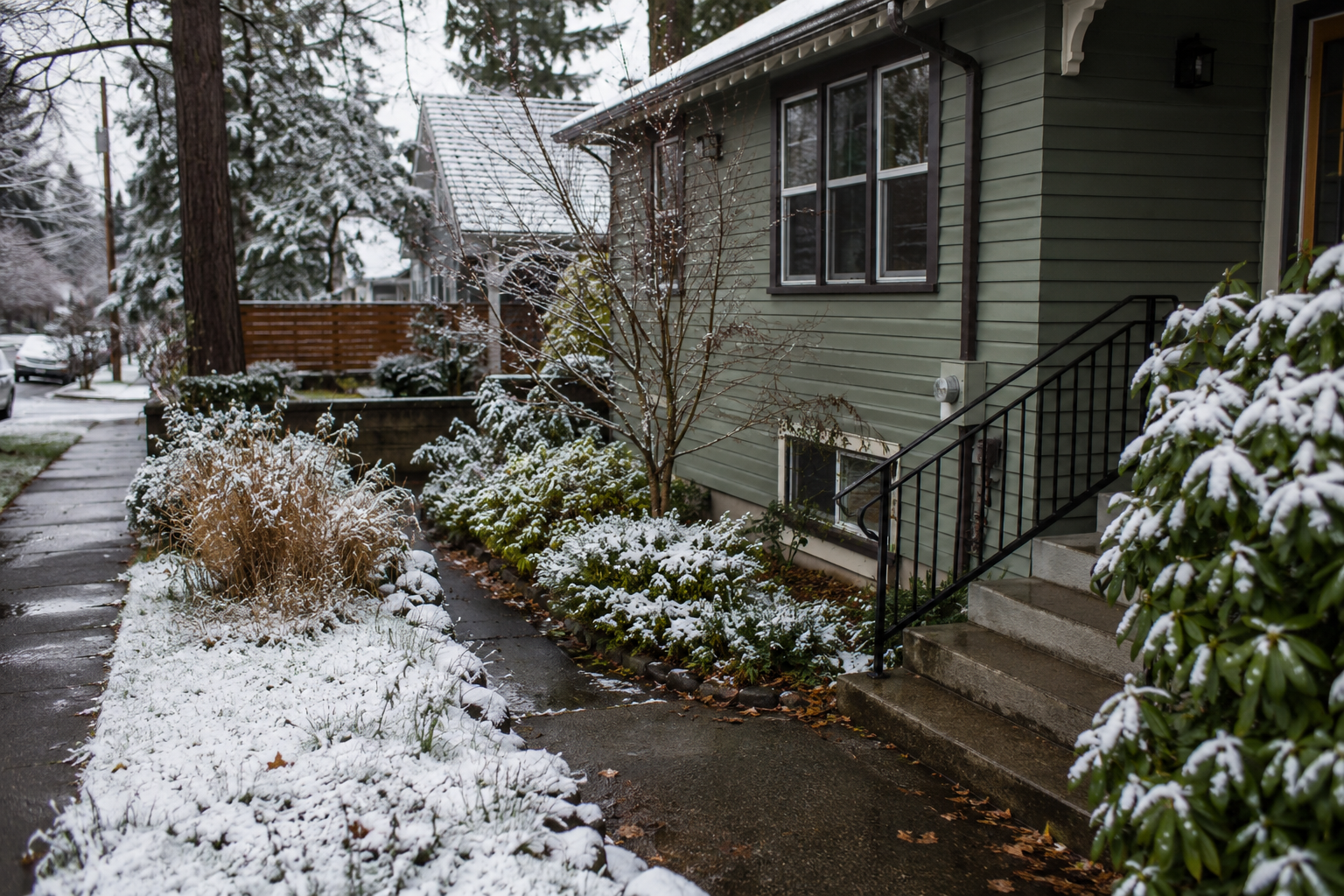
A home changes with the seasons. Rain collects where drainage is poor, heat dries out caulk and exterior finishes, and cold weather puts pressure on plumbing, roofing, insulation, and heating systems. Even a well-built home needs regular attention to stay safe and comfortable.
Seasonal maintenance helps you catch small problems before they spread into larger repairs. A loose gutter, failing sealant, slow drain, or damp crawlspace may seem minor at first. Left alone, these issues can lead to water damage, wood rot, mold growth, higher energy bills, or premature material failure.
This seasonal home maintenance checklist covers the main areas homeowners should inspect throughout the year, what each task helps prevent, and when a simple repair may point to a larger remodeling need.
What Should Be Included in a Seasonal Home Maintenance Checklist?
A good checklist should follow the major systems of the home. Some tasks are tied to a specific season, while others should be checked more than once a year, especially in older homes or homes exposed to heavy rain, wind, snow, or extreme heat.
The purpose here is to help you recognize early warning signs, keep routine upkeep organized, and know when a professional inspection is worth scheduling.
Roof and gutters
The roof is one of the first places to inspect after heavy rain, wind, snow, or falling debris. Look for missing shingles, damaged flashing, sagging gutters, loose downspouts, and other signs that water may be getting where it shouldn't.
Clean gutters regularly so water can drain away from the home instead of overflowing onto siding or pooling near the foundation. You can also spot many early warning signs from the ground, including sagging gutters, shingle granules near downspouts, soffit stains, or water marks inside the attic.
Siding, trim, and exterior paint
Siding, trim, and paint form the home's first line of defense against moisture. When these materials begin to fail, water can reach the framing and insulation behind them and lead to more expensive repairs.
Look for peeling paint, cracked caulk, warped siding, soft trim boards, and gaps around windows, doors, and utility penetrations. If the same areas require repeated repairs, the underlying issue may be aging materials, failing flashing, or trapped moisture rather than normal wear.
Windows and exterior doors
Windows and exterior doors help keep water, drafts, and outdoor temperatures where they belong. Seasonal movement and weather exposure can gradually wear down seals, hardware, and weatherstripping.
Inspect caulk, screens, and hardware. Check for water stains below windows or around door frames. Clear clogged window weep holes and seal small air leaks to improve energy efficiency and help prevent moisture damage.
Foundation and drainage
Many costly home repairs begin with poor drainage around the foundation. Water should always flow away from the house rather than collecting near basement walls, crawlspaces, or slab edges.
Watch for standing water, clogged drains, foundation cracks, damp crawlspaces, or musty odors after heavy rain. Small hairline cracks are common, but widening cracks or movement accompanied by sticking doors and uneven floors should be professionally evaluated.
HVAC system
Heating and cooling systems work hardest during the hottest and coldest months of the year. Routine maintenance helps improve efficiency and lower the risk of unexpected breakdowns.
Replace air filters as needed, keep outdoor condenser units free of debris, and make sure supply and return vents remain unobstructed. It's also a good idea to test the thermostat and schedule professional servicing before peak heating or cooling season begins.
Plumbing
Seasonal plumbing maintenance focuses on preventing leaks and protecting exposed pipes from freezing temperatures. Catching small problems early can prevent much larger water damage later.
Winterize outdoor faucets and irrigation systems where needed, then inspect sinks, toilets, washing machine connections, and visible plumbing for leaks, corrosion, or moisture. Check the water heater for rust, pooling water, unusual noises, or declining performance.
Electrical and safety systems
Electrical and safety devices rarely need daily attention. As such, they’re easy to overlook until something stops working. A seasonal inspection helps confirm these systems are ready when they're needed.
Test smoke alarms, carbon monoxide detectors, and GFCI outlets, replacing batteries or expired units as necessary. Check exterior lighting and garage door safety features as well, since both play an important role in protecting your home and family.
Ultimate Home Maintenance Checklist for Every Season
Some maintenance tasks can be done almost any time, but the seasons provide a useful schedule. The checklist below keeps the work spread across the year instead of forcing every task into one long weekend.
Spring home maintenance checklist
Spring maintenance is mostly about recovery. Winter weather can loosen roofing materials, clog gutters, damage exterior finishes, and reveal drainage problems around the home.
Start with a slow exterior walkaround. Check the roofline, gutters, siding, trim, windows, decks, patios, and foundation. Look for anything that shifted, cracked, leaked, stained, or softened during the colder months.
Important spring tasks include:
Clean gutters and confirm downspouts drain away from the home
Inspect the roof from the ground for missing or damaged shingles
Check exterior caulk around windows, doors, and trim
Look for peeling paint, soft wood, or damaged siding
Inspect decks, stairs, railings, and porches
Test exterior faucets for leaks
Schedule air conditioning or heat pump service before hot weather
Check grading and drainage after heavy rain
Clean window tracks and repair damaged screens
Summer home maintenance checklist

Summer gives homeowners the best window for exterior maintenance. Dry weather makes it easier to repair siding, refresh paint, seal gaps, clean outdoor surfaces, and complete deck or fence work.
This is also the season when cooling systems work hardest. If rooms feel uneven, utility bills rise sharply, or the system runs constantly, the issue may involve airflow, insulation, ductwork, or an aging HVAC unit.
Useful summer tasks include:
Touch up exterior paint where bare wood is exposed
Repair cracked or missing caulk around exterior openings
Power wash siding carefully, using the right pressure for the material
Inspect decks for loose boards, raised fasteners, and failing railings
Trim vegetation away from siding, roofing, and HVAC equipment
Monitor foundation drainage during summer storms
Look for pest entry points around vents, utility penetrations, and gaps
Check attic ventilation and signs of excessive heat buildup
Clean dryer vents and exhaust outlets
Fall home maintenance checklist
Fall is the season to prepare the home for colder temperatures, heavier rainfall, and winter storms. Small maintenance tasks completed before freezing weather arrives are often far easier and less expensive than emergency repairs in the middle of winter.
Focus on keeping water out, warm air in, and mechanical systems ready for increased use. Exterior inspections should happen before leaves completely cover gutters and before icy conditions make roof work unsafe.
Essential fall tasks are as follows:
Clean gutters after most leaves have fallen
Confirm downspouts carry water away from the foundation
Schedule furnace or heating system maintenance
Replace HVAC filters before the heating season begins
Seal gaps around windows, doors, utility penetrations, and exterior trim
Disconnect garden hoses and winterize exterior faucets where appropriate
Shut down and winterize irrigation systems if required
Inspect attic insulation and look for signs of moisture or condensation
Check fireplaces, chimneys, and flues before using them for the season
Trim branches hanging over the roof
Winter home maintenance checklist
Winter maintenance is less about making repairs and more about monitoring how the home performs under the year's harshest conditions. Cold temperatures, snow, ice, prolonged rainfall, etc. can expose weaknesses that remain hidden during the rest of the year.
Keep an eye on the roof after major storms. Large accumulations of wet snow, persistent ice along roof edges, or water stains appearing on ceilings deserve prompt attention. Inside the home condensation on windows, musty odors, or unusually cold rooms may indicate insulation or ventilation problems.
Winter maintenance should include:
Watch for ice dams where they commonly occur
Remove excessive snow from walkways and exterior stairs
Monitor exposed plumbing in unheated spaces
Keep heating vents clear of furniture and stored items
Check attic spaces for signs of leaks or condensation
Test smoke alarms and carbon monoxide detectors during heating season
Inspect weatherstripping if drafts become more noticeable
Watch ceilings and walls for new water stains following storms
ALSO READ: How Much to Budget for Home Maintenance
When Does Home Maintenance Become a Remodeling Project?
Routine maintenance extends the life of a home, but it cannot reverse age, outdated construction, or widespread deterioration. Eventually, homeowners reach a point where replacing the underlying component becomes more practical than repairing the same problem year after year after year.
Recognizing that transition can save both money and frustration. Instead of continually patching symptoms, remodeling addresses the root cause and often improves comfort, efficiency, and long-term durability at the same time.
Recurring water intrusion
Water should never become a recurring maintenance item.
If the same window leaks every rainy season, drywall stains keep returning after repairs, or basement moisture persists despite cleaning and sealing, the source of the problem has likely not been corrected.
Repeated water intrusion may point to failing flashing, deteriorated siding, poor drainage, roof damage, window installation problems, or hidden structural deterioration. These situations require more than another application of caulk or another coat of paint.
Structural movement
Homes naturally expand and contract with seasonal temperature changes, so small cosmetic cracks are not unusual.
More significant movement deserves closer evaluation. Doors that suddenly refuse to latch, windows that become difficult to operate, sloping floors, widening cracks, or stair-step cracks in masonry can indicate movement that extends beyond normal seasonal changes.
The goal is not to assume every crack signals a structural emergency. Instead, homeowners should pay attention to changes over time. If damage continues to grow or multiple symptoms begin appearing together, a professional assessment is appropriate.
Aging kitchens and bathrooms
Kitchens and bathrooms experience more daily wear than almost any other room in the home. Plumbing fixtures, cabinetry, flooring, countertops, ventilation systems, and finishes all have finite service lives.
Maintenance can address isolated issues such as replacing a faucet, repairing grout, or repainting cabinets. Eventually, however, you may begin encountering several problems at once.
Case in point: cabinets deteriorate while plumbing needs replacement, layouts no longer function well, ventilation falls short of current expectations, moisture damage develops beneath aging finishes, and so on.
At that point, remodeling can provide better long-term value than continuing to repair one component after another.
Exterior materials nearing the end of their lifespan
Every exterior material eventually wears out.
Paint gradually loses its protective qualities and caulk becomes brittle. Wood trim begins absorbing moisture and roofing materials age under constant exposure to sunlight and weather. Windows also become less efficient as seals and components deteriorate.
Replacing these systems before widespread failure occurs protects the structure beneath them. Waiting until water damage spreads into framing or insulation generally increases both repair complexity and project cost.
Improving energy efficiency during remodeling
Major remodeling projects create opportunities that routine maintenance cannot.
Opening walls allows insulation to be upgraded. Older windows can be replaced with more efficient models. Air leaks can be sealed more effectively. Ventilation systems can be improved, and outdated mechanical equipment can be replaced with higher-efficiency alternatives.
These improvements often make the home more comfortable throughout the year while reducing unnecessary energy loss.
READ NEXT: Best Time of Year to Remodel a Home
Turn Seasonal Maintenance Into Long-Term Home Protection
Staying on top of seasonal upkeep is one of the best ways to protect your home from unnecessary repairs and extend the life of its major systems. Regular inspections help catch developing issues early and give you the opportunity to fix them before they lead to more exorbitant restoration work.
At the same time, routine maintenance can reveal when repairs are no longer enough. If you continue finding the same leaks or dealing with recurring problems year after year, it may be time to consider a more permanent solution through remodeling.
Contact Revive Works Remodeling today to schedule a consultation and discuss the right solution for your Portland home.