
Water Damaged Subfloor: Signs, Repair, & Replacement
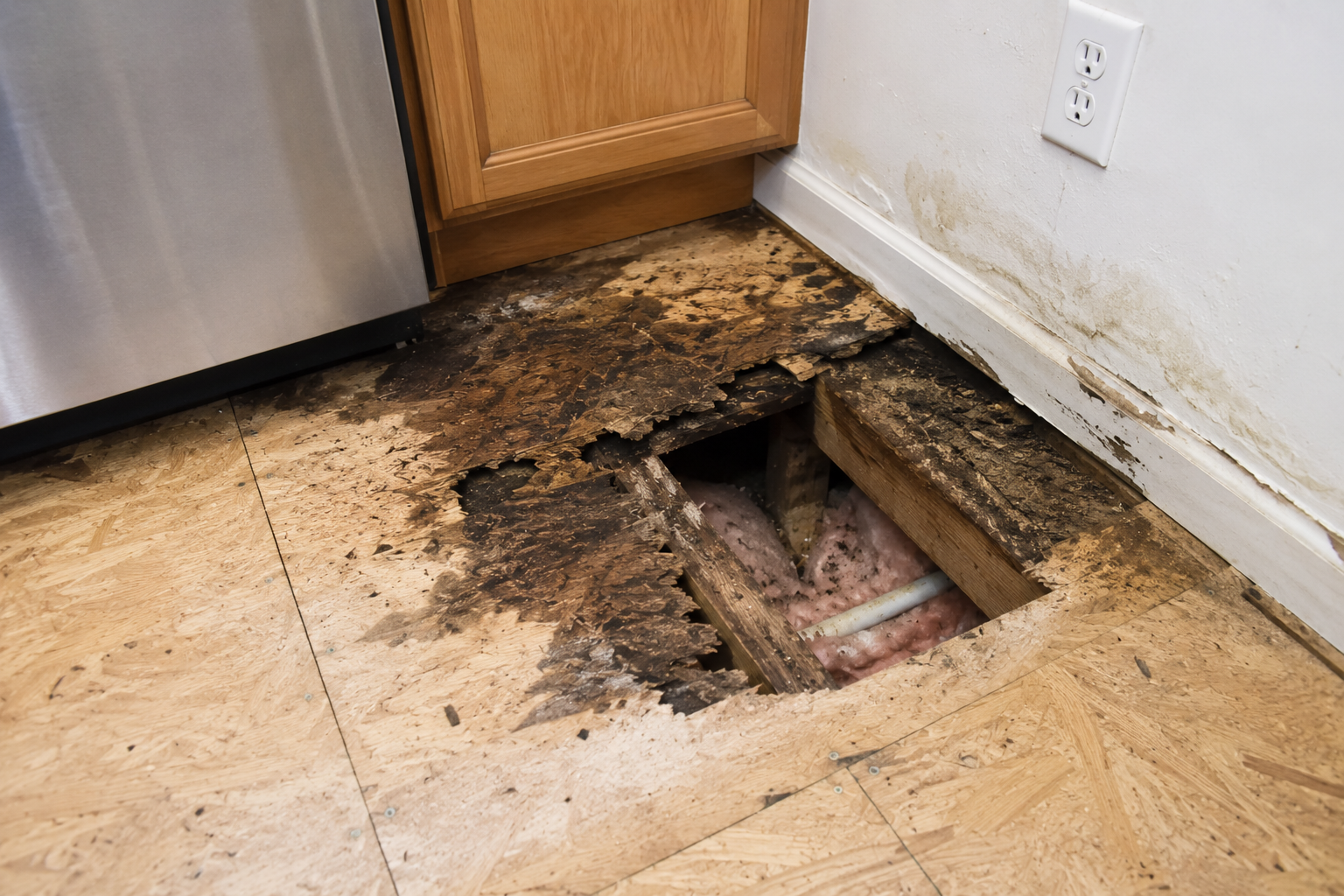
Subfloor water damage often starts somewhere else. A leaking toilet, dishwasher, supply line, tub, or other source allows water to reach the structural layer beneath the finished floor, sometimes without leaving much evidence on the surface at first.
Getting wet does not automatically ruin a wood subfloor. The bigger questions are how long it stayed wet and whether the plywood or OSB changed enough to affect its strength, stiffness, or ability to hold fasteners.
Here's how to recognize the damage and determine what should happen next.
How to Tell if Subfloor is Water Damaged?
A water-damaged subfloor may become soft, swollen, uneven, or delaminated after prolonged exposure to moisture. Since the subfloor sits beneath the finished flooring, you may notice changes in the floor itself before you ever see the affected panel.
Several warning signs can tell you it is time to look underneath.
Soft or spongy areas underfoot
A section of floor that suddenly gives or flexes noticeably when you step on it deserves attention. Prolonged moisture can damage wood-based panels and eventually affect how well the floor performs under load.
Softness does not automatically confirm water damage, though. Loose fasteners, inadequate panel thickness, excessive joist spacing, or framing problems can also cause movement. The area needs to be exposed or inspected well enough to identify what is producing the change.
Flooring that starts lifting, buckling, or separating
Sometimes the finished floor provides the first clue.
Wood flooring can swell or distort when it absorbs excess moisture, while other flooring systems may loosen or develop movement as moisture affects the materials underneath.
Changes at the surface do not tell you how much of the subfloor is damaged. Once unexplained movement or moisture-related flooring problems appear, the condition underneath should be checked.
Swelling around toilets, tubs, sinks, and appliances
Bathrooms, kitchens, and laundry areas deserve particular attention because they contain several potential water sources. A failed toilet seal, leaking supply connection, dishwasher, washing machine, refrigerator line, or plumbing fixture can repeatedly wet the same portion of the floor.
A slow leak can be especially troublesome because it may continue unnoticed beneath flooring or cabinetry. Over time, repeated wetting can leave plywood distorted or delaminated and cause OSB to swell.
Sagging or uneven sections of floor
Water-damaged panels may lose stiffness as their condition deteriorates. The floor can begin dipping or moving between joists, particularly where the damage is concentrated in one area.
More pronounced sagging needs a closer look because the problem may extend beyond the subfloor. Joists and other framing components should also be inspected when prolonged water exposure or considerable floor movement is present.
Musty odors or recurring dampness
A persistent musty smell can be a reason to investigate hidden moisture, notably when it appears near a bathroom, kitchen, laundry area, crawlspace, or a location with a previous leak.
The odor itself does not prove that mold is present. What matters is finding and correcting the moisture source. Mold can grow on damp wood and other building materials when moisture remains available, which is why the U.S. Environmental Protection Agency (EPA) recommends drying water-damaged areas promptly.
Visible staining, crumbling, or delamination
If the underside of the floor is accessible through a basement or crawlspace, you may be able to see evidence before removing the finished flooring. Water stains show where moisture has traveled, although staining alone does not necessarily mean the panel has lost structural capacity.
Physical deterioration is more concerning. Look for swollen edges, separated plywood veneers, flaking OSB strands, material that breaks apart easily, or obvious deformation. Those changes warrant a closer assessment of the affected panel.
Does a Water Damaged Subfloor Need to Be Replaced?
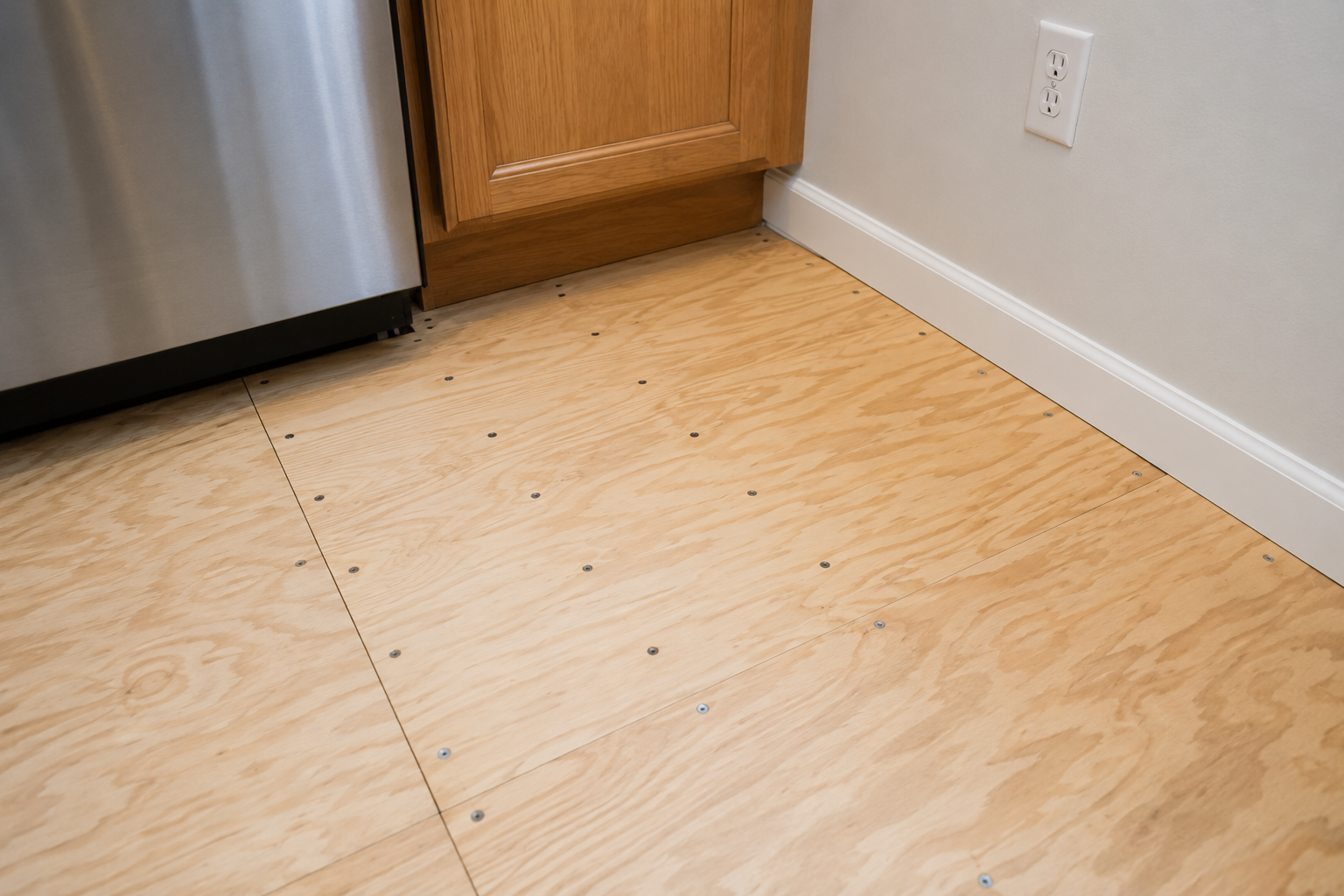
Wood structural panels can tolerate some short-term wetting, provided they are allowed to dry and have not sustained significant physical damage. A subfloor that remains flat, firm, and structurally sound after drying may still be serviceable.
When to replace a subfloor from water damage, you ask? Replacement becomes appropriate when the water has caused permanent deterioration that affects how the panel performs. The condition of the material after drying is more important than the mere fact that it once got wet.
When drying may be enough
A brief, clean-water leak caught quickly may leave the subfloor intact. Once the leak is stopped, the area should be exposed as necessary and thoroughly dried before underlayment, flooring, cabinets, or other materials cover it again.
Do not rely solely on the surface feeling dry. Moisture can remain within wood panels after the outside appears normal. Professional moisture meters can help assess moisture within the material, and flooring guidance specifically calls for adequately drying previously wetted panels before new wood flooring is installed.
When localized repair makes sense
Water damage to subfloor is typically concentrated around a single source. A leaking toilet, for example, may damage the subfloor immediately surrounding the flange while leaving the rest of the bathroom floor sound.
In cases like these, removing the affected section may be sufficient. The repair needs to extend back to sound material, and the edges of the replacement panel need adequate structural support.
When replacement is the safer choice
Replacement becomes much easier to justify once the panel itself has clearly deteriorated. That can include material that has become soft or decayed, severe swelling, plywood layers separating, substantial loss of stiffness, or a panel that can no longer hold flooring fasteners reliably.
The extent of the damage is a huge factor. A small deteriorated area may call for a patch, while widespread damage can make replacement of a larger section more practical. If the water has reached the joists or other structural framing, those components need to be evaluated separately before the floor is rebuilt.
What Proper Water Damaged Subfloor Repair Involves
Proper water-damaged, rotted subfloor repair starts with correcting whatever allowed the water to reach the floor. Replacing damaged material while a plumbing leak, failed fixture connection, or exterior moisture problem remains active only puts the new subfloor at risk.
Once the water source is under control, the floor can be opened up, dried, and inspected to determine how much material needs to be removed.
1. Find and stop the source of the moisture
Before repairing the floor, determine where the water came from. As mentioned, some of the most common sources include leaking plumbing connections, failed toilet seals, appliance supply or drain lines, and water entering through the building exterior.
The source is not always directly above the most visible damage. Water can travel along framing or beneath flooring before collecting elsewhere, so the surrounding area may need to be inspected as well.
2. Expose enough of the floor to see the actual damage
Finished flooring and underlayment may need to be removed beyond the visibly affected spot. This gives the contractor a clearer view of panel seams, fasteners, edges, and areas that remained wet but show little proof from above.
The objective is to reach sound material on all sides of the repair. Stopping at the edge of a stain can leave weakened subfloor hidden beneath the remaining flooring.
3. Check the joists and surrounding framing
Once the subfloor is exposed, the framing underneath should likewise be examined. Long-term leaks can wet joists, blocking, sill areas, and other nearby wood rather than remaining confined to the panel.
Minor surface staining is different from structural deterioration. Soft wood, decay, significant splitting, or other damage to the framing may require additional repair before a new subfloor panel can be installed.
4. Remove material that has lost structural integrity
Subfloor that is soft, badly swollen, delaminated, decayed, or otherwise unable to perform properly should be removed back to sound material. Replacement pieces also need support along their edges for loads to transfer properly into the surrounding floor system.
That may require cutting the existing panel back to a joist or adding blocking where a new panel edge would otherwise be unsupported. Simply dropping a patch into the damaged opening can leave the repaired area prone to movement.
5. Install the correct replacement subfloor
The replacement panel should be suitable for the floor system and compatible with the existing subfloor. Panel thickness, span rating, joist spacing, edge support, and the flooring that will eventually go on top all influence the appropriate material.
Fastening is also very important. The new section needs to become a stable part of the existing floor and not behave like an independent patch, particularly when rigid finishes such as tile will be installed above it.
6. Let the assembly dry before covering it again
Removing damaged material does not guarantee that the surrounding floor system is dry. Remaining panels and other materials may still contain elevated moisture after the original leak has been repaired.
Those materials should be given adequate time and airflow to dry before the floor is closed. Moisture readings can provide better information than touch alone, before moisture-sensitive flooring is installed.
7. Restore the finished flooring
Once the substrate is sound and dry, underlayment and finished flooring can be restored according to the requirements of the selected material.
A small repair may allow the existing finish to be patched successfully. With hardwood, tile, or discontinued products, matching the original material can be difficult enough that replacing a larger section produces a cleaner result. The decision depends on the flooring as much as the size of the subfloor repair.
How Much Does Water Damaged Subfloor Repair Cost?
Water damaged subfloor repair typically costs around $3 to $10 per square foot, with many repair projects falling somewhere between $500 and $2,500 overall. The total can climb higher when the damage covers multiple rooms or requires removing finished flooring, repairing joists, or fixing the source of the water.
The final price depends heavily on what your contractors find once the floor is opened. A localized repair around a leaking toilet may stay near the lower end, while widespread deterioration involving framing, plumbing, or several flooring layers can turn into a much larger project.
READ NEXT: How to Repair Dry Rot Wood (& Protect Your Home Long-Term)
Let’s Get That Repair Taken Care Of.
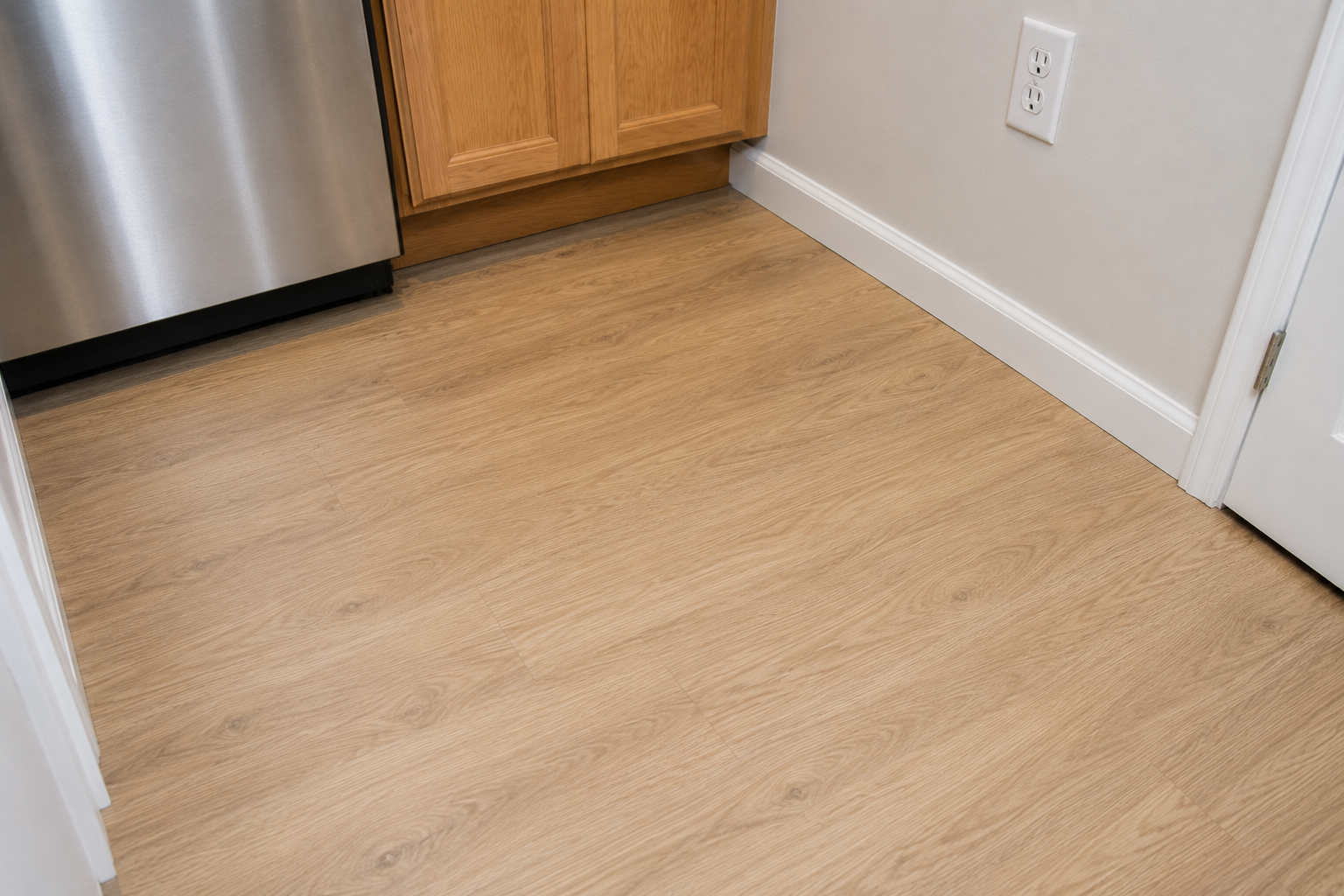
A damaged subfloor can look like a flooring problem until the surface comes off and reveals what has been happening underneath. The right repair depends on what the water did to the material, how far the damage extends, and whether the surrounding floor structure is still sound, among others.
If you discover soft flooring, hidden water damage, or deteriorated subfloor during a renovation, our experienced handymen and general contractors in Portland can inspect the affected area and determine what needs to be rebuilt before new finishes go down.
Get in touch with our remodeling team to schedule a consultation.