
10 Best Home Improvements to Increase Value
Not every improvement that makes a home nicer to live in will add the same amount to its resale value. Some projects have a stronger financial case because they address problems buyers notice or improve important living spaces, as well as add usable square footage.
The return also depends on the house, neighborhood, project cost, and quality of the work. Still, remodeling and real estate industry research gives homeowners a useful picture of which improvements tend to perform well.
Here are ten of the best home improvements to consider when increasing value is part of your plan.
10 Home Improvements That Can Add Value
There is no single renovation that delivers the same return in every home. A project that makes financial sense for one property may be unnecessary or overly expensive for another. That said, the following improvements have strong potential when the scope and investment make sense for the house.
1. Replace an outdated or damaged front door
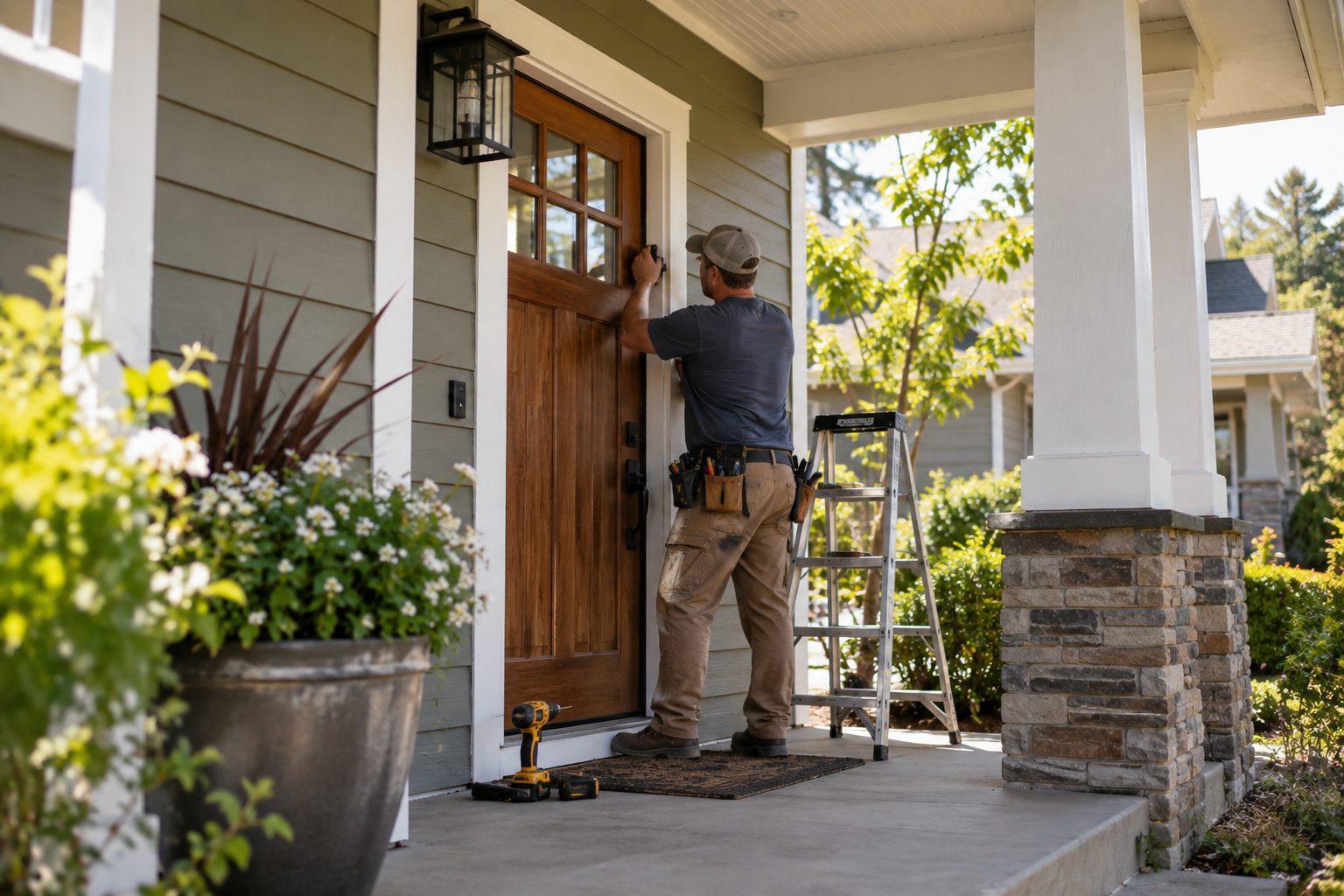
A new front door is a relatively small project that can improve the entrance buyers see before they step inside. It becomes especially worthwhile when the existing door is damaged, difficult to operate, poorly sealed, or noticeably dated.
The 2025 National Association of Realtors (NAR) Remodeling Impact Report estimated 100% cost recovery for a new steel front door, making it one of the strongest projects in the report for recovering its initial cost. Actual returns will still vary by property and market.
2. Update the kitchen without overbuilding it
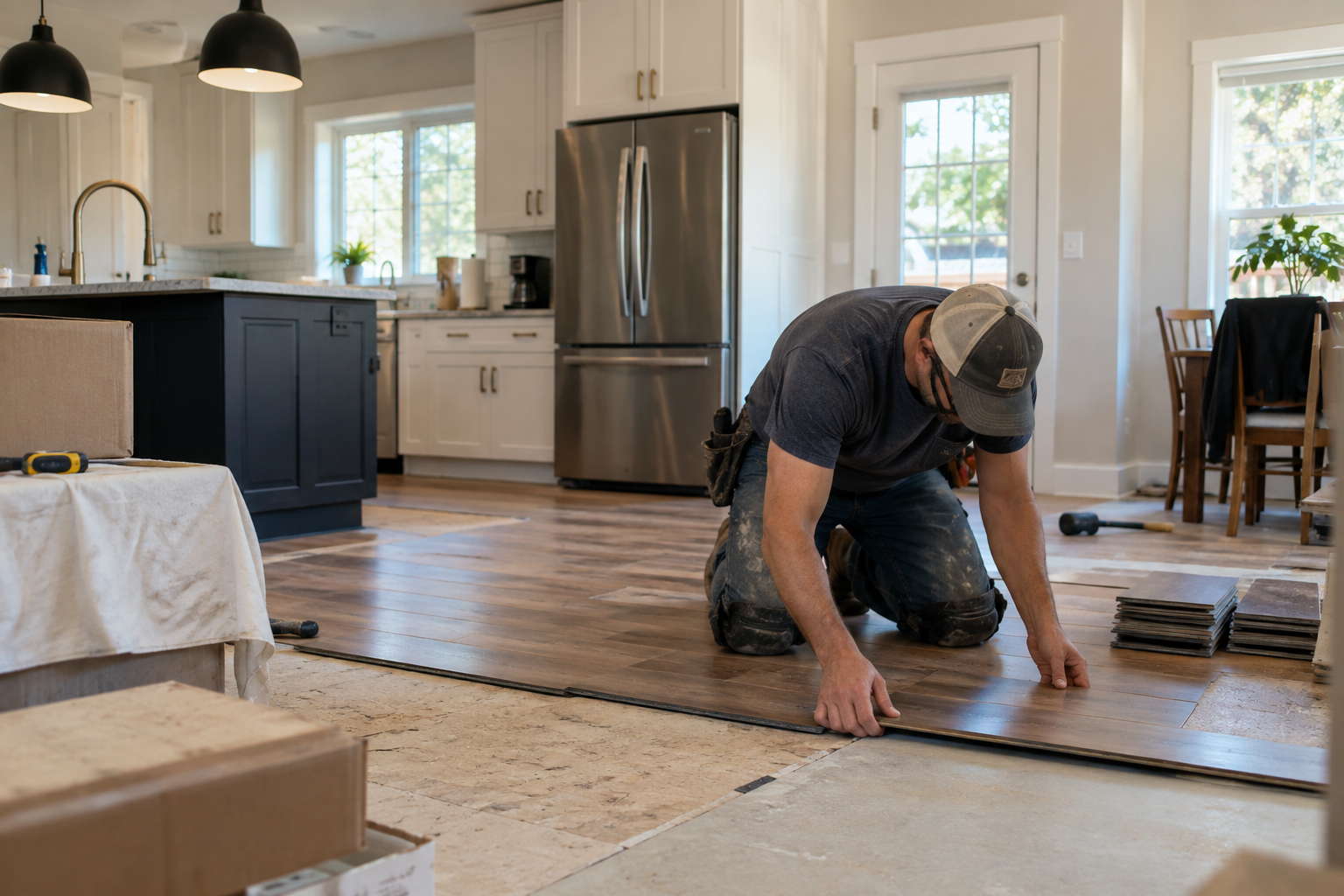
A dated kitchen does not always need to be gutted. Replacing worn counters, improving lighting, updating appliances, refinishing or replacing cabinets where needed, and installing new flooring can make a substantial difference without rebuilding the entire room.
Kitchen renovations had an estimated 60% cost recovery in NAR's 2025 report. For resale-focused projects, the key is keeping the quality and scale of the remodel appropriate for the home.
3. Remodel a dated or poorly functioning bathroom
Bathrooms attract attention because buyers use them every day and can quickly spot worn tile, damaged finishes, poor ventilation, inadequate storage, or an awkward shower, among others.
A value-conscious bathroom remodel should address those weaknesses first. Durable finishes, good waterproofing, functional storage, and a comfortable layout generally deserve priority over expensive features chosen mainly for appearance.
4. Convert unfinished basement space into usable living area
An unfinished basement may already provide the footprint for a family room, office, guest area, or other flexible living space. Finishing it can increase the amount of the home that homeowners can comfortably use without constructing a new addition.
NAR reported that homeowners could recoup about 71% of the cost of converting a basement into living space at resale. Before finishing one, moisture, ceiling height, emergency egress, and other applicable building requirements need to be addressed.
5. Finish or convert usable attic space
An attic with adequate dimensions and access may provide room for a bedroom, office, or bonus space within the home's existing footprint. In the same 2025 report, NAR estimated that attic renovations could return about 67% of their project cost at resale.
Not every attic is a good candidate, though. Structural capacity, headroom, stairs, insulation, HVAC, and emergency egress can determine whether conversion is practical.
6. Replace worn or failing siding
Siding occupies a large portion of the exterior, so deterioration can affect both appearance and buyers' perception of the home's condition. Replacement can address damaged material while giving the exterior a substantial visual refresh.
Recent Cost vs. Value research has ranked several exterior replacement projects among the strongest performers for resale. The appropriate siding material should still be chosen for the home's design, climate exposure, maintenance needs, and budget.
7. Replace old windows when their condition warrants it
Windows are worth addressing when they are damaged, difficult to operate, deteriorated, or performing poorly. Replacement can improve appearance and everyday comfort while removing an obvious maintenance concern for a future buyer.
NAR likewise projected 74% cost recovery for new vinyl windows and 71% for new wood windows. That does not mean sound windows should be replaced solely for resale; their existing condition should drive the decision.
8. Repair or replace a roof nearing the end of its useful life
A failing roof is different from an outdated countertop or paint color. Visible deterioration or a limited remaining service life can become a concern during inspections and influence how buyers evaluate the property.
Roof replacement therefore makes the strongest financial case when the existing roof genuinely needs attention. Replacing a sound roof prematurely simply to increase the home's sale price is much harder to justify.
9. Improve a layout that genuinely limits the home
Poor circulation, an isolated kitchen, or an awkward relationship between frequently used rooms can hold back an otherwise appealing home. Selective layout changes may make the available square footage work considerably better.
That does not automatically mean removing walls or creating an open floor plan. The strongest changes solve a specific functional problem while respecting the home's structure and character.
10. Make thoughtful accessibility and aging-in-place improvements
Accessibility improvements can make a home easier to use for a wider range of people. Curbless showers, safer entrances, improved lighting, and clearer circulation are some examples that can blend naturally into a well-designed remodel.
Their resale return is difficult to reduce to one reliable percentage, so these projects should not be sold on a guaranteed ROI. Their value lies partly in making the home safer and more usable now while accommodating changing needs later.
You can download NAR’s full home renovation ROI guide here.
Does Every Home Improvement Increase Resale Value?
No. A remodel can increase a home's value without returning every dollar spent. If a $50,000 renovation contributes $30,000 to the eventual sale price, it added value but recovered only 60% of its cost.
That distinction is important when deciding how much to invest, especially if resale is the main reason for remodeling.
Improvements can add value without paying for themselves
A remodeling project's financial return is usually expressed as cost recovery, which compares the estimated value added at resale with what the project cost.
Anything below 100% means the homeowner did not recover the entire investment through resale value alone. That does not make the project a poor decision, particularly when the homeowner also gets years of use from the improvement.
Over-improving for the neighborhood can limit your return
A highly customized $150,000 kitchen may be difficult to recoup if comparable homes in the neighborhood sell with much simpler kitchens. Buyers generally evaluate a property alongside the alternatives available in the same market.
This makes the surrounding housing market an important reality check. Spending considerably beyond what similar homes support can leave part of the investment reflected in personal enjoyment rather than resale value.
Fixing deficiencies can be smarter than adding luxuries
A deteriorating roof, damaged siding, water intrusion, unsafe stairs, or a bathroom with failing finishes can give buyers reasons to discount a property or anticipate repairs immediately after purchase.
Correcting those weaknesses may deserve priority over adding another premium feature. A home that has been properly maintained and thoughtfully updated can be easier for buyers to evaluate without a growing repair list hanging over the sale.
The best project depends on when you plan to sell
Someone preparing to sell within a year has different priorities from a homeowner who expects to stay for another decade. Near-term sellers have less time to personally benefit from expensive improvements, making resale potential and cost recovery especially important.
Homeowners staying longer can weigh everyday use more heavily. A remodel that returns only part of its cost at resale may still be worthwhile after years of enjoying a better kitchen, bathroom, basement, or living space.
Talk to local professionals before remodeling purely for resale
National remodeling data provides useful benchmarks, but real estate values are local. Before spending heavily with the specific intention of raising your sale price, talk with a knowledgeable local real estate professional about comparable properties and what buyers currently expect.
Once you know which improvements make sense for the property, a remodeler can evaluate the existing conditions and determine what the proposed work will realistically involve.
Put Your Remodeling Budget Where It Counts
The best remodeling investment does not have to be the biggest project in the house. It should solve something meaningful, fit the property, and make sense for how long you expect to live there.
Revive Works Remodeling helps homeowners in Portland, OR plan renovations around the house they already have and what they want to improve about it.
Thinking about putting your remodeling budget to work? Contact Revive Works to schedule a consultation and talk through the improvements that could make the greatest difference in your home.