
Whole Home Remodel Cost: Factors, Budgeting Tips, & More
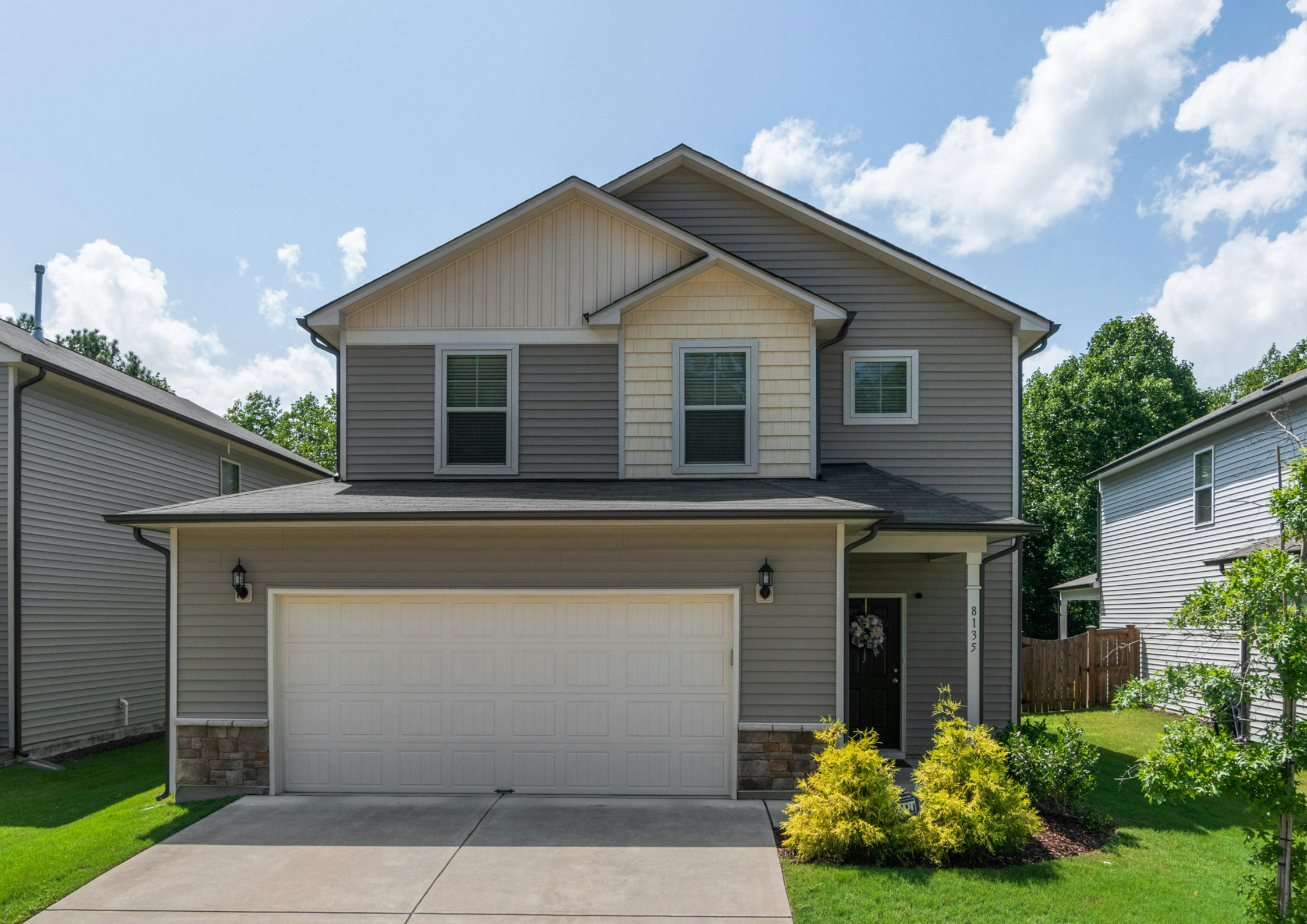
A whole home remodel is not a light decision. In Portland, OR, many times it means working with older homes, layered systems, and a long list of choices that directly affect cost.
Some projects stay predictable. Others uncover issues the moment walls come down. In this guide, Revive Works Remodeling aims to shed light on the costs of whole home remodels (and why those numbers vary so much from one house to the next).
How Much Does a Whole Home Remodel Cost?
A whole home remodel in the United States typically ranges from $200 to $450+ per square foot. For most homeowners, that translates to $200,000 to $600,000 or more, depending on the size of your home and the depth of the renovation.
That range exists for a reason.
Two homes with the same square footage can land on completely different ends of the spectrum based on physical age, existing layout configuration and what needs to be rebuilt, replaced, or reworked.
Cost per square foot explained
Square footage gives you a starting point, but it doesn’t tell the full story.
A home that only needs surface-level updates will stay on the lower end. Once you start opening walls, upgrading systems, changing layouts, etc., the cost per square foot climbs quickly. Here’s how that typically breaks down:
$150–$250 per sq ft for light to moderate updates
$250–$350 per sq ft for full interior home renovations
$350–$450+ per sq ft for structural work, high-end finishes, or historic homes
Portland homes, especially those built before the 1970s, typically fall into the middle or upper tiers because of what’s hidden behind the walls.
Typical total project ranges
Looking at total cost makes things more concrete. Most whole home remodels fall into these general ranges:
Smaller homes (around 1,000–1,500 sq ft): $200K–$350K
Mid-size homes (1,500–2,500 sq ft): $300K–$600K
Larger or more complex homes: 600K and up
These are not fixed brackets as they shift depending on how much of the home is being touched and how far the remodel goes beyond cosmetics.
What qualifies as a whole home remodel
It’s good to note that not every multi-room project counts as a full remodel. A true whole house remodel involves work across most (or all) of the house, including:
Kitchen and bathroom renovations
Flooring replacement throughout
Electrical and plumbing upgrades
Structural and non structural layout adjustments, including wall removal
Insulation, HVAC, or other system improvements
Once multiple systems are being updated at the same time, the project moves out of room-by-room territory and into full-home scope.
What Factors Affect Whole Home Remodel Cost the Most?
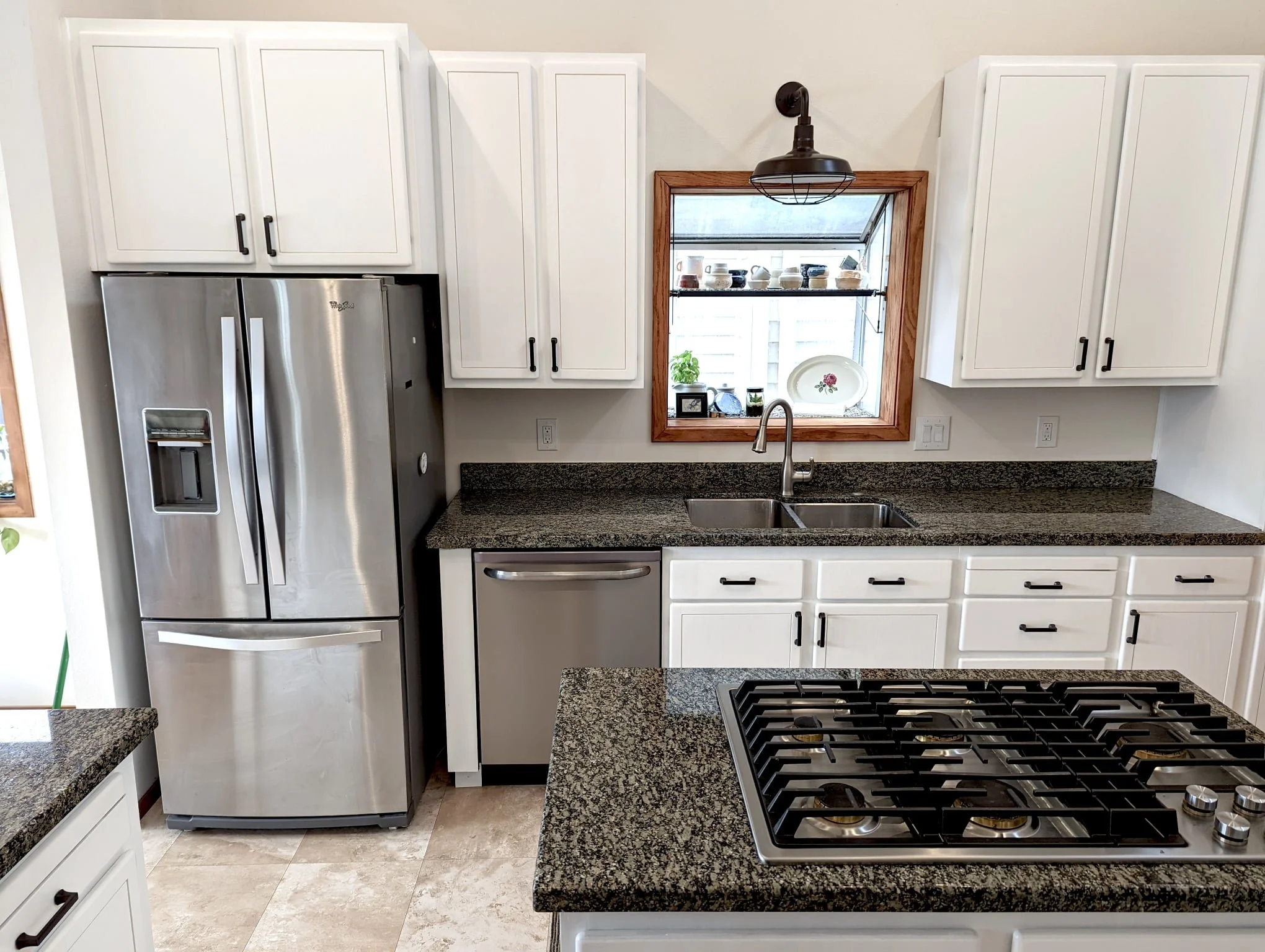
Full home renovation costs don’t increase randomly. They follow a pattern tied to the condition of the home and the decisions made during planning. Some of the biggest drivers are easy to overlook at first, especially if the home looks fine on the surface.
Age and condition of the home
The Rose City’s charm comes with a tradeoff. Many homes were built decades ago, and the materials inside them reflect that.
It’s common to uncover wiring that no longer meets code, plumbing that has corroded from the inside, framing that has shifted over time or framing that needs to be brought up to code for safety purposes, insulation improvements or fire rating updates , and moisture damage hidden behind finished surfaces, among others.
None of these issues show up in a listing photo, but they become unavoidable once the renovation project begins.
Scope of structural changes
Changing how a home is laid out is one of the fastest ways to increase cost.
Opening a wall might sound pretty simple, but that wall could be load-bearing. Once that’s the case, the project may require engineered beams, structural calculations, and additional inspections.
What starts as a design choice turns into a construction problem that needs to be solved correctly.
Material and finish selections
Finishes have a quiet but powerful impact on cost.
Two kitchens with the same layout can end up tens of thousands of dollars apart based on material choices alone. The same goes for bathrooms, flooring, and trim.
Decisions that affect cost include:
Prefabricated cabinets vs semi-custom vs custom-built units
Entry-level fixtures vs premium brands
Standard tile vs large-format or handcrafted and specialty materials
Labor and contractor expertise
Labor reflects the level of skill required to complete the work properly. Older homes necessitate whole home remodel contractors who understand:
Uneven framing and out-of-square conditions
Historic materials and how they behave
Techniques for upgrading systems without damaging original features
Hiring the right team can feel more expensive upfront, but it reduces the risk of rework, delays, and long-term issues.
Permits, zoning, and city requirements
Portland, Oregon has a structured permitting process, and it plays a role in both cost and timeline.
Depending on the scope, you may need approvals for structural work, electrical upgrades, plumbing changes, or exterior modifications. Homes in certain areas may also fall under additional review if they are considered historically significant.
These requirements add time, fees, and coordination, all of which factor into the final cost.
Cost Breakdown by Major Remodeling Components
Looking at a total project number can feel abstract. Breaking it down by major components gives a clearer sense of where the budget actually goes.
Every whole-home remodel project distributes costs differently, but certain categories consistently take up the largest share.
Kitchen remodel costs
The kitchen is often the most expensive part of the remodel.
In Portland, a full kitchen renovation within a whole home project typically ranges from $90,000 to $150,000 or more.
The spread comes down to a few key elements. Cabinetry is usually the biggest driver, followed by appliances, countertops, and the complexity of the layout. Moving plumbing or electrical lines adds another layer of cost.
ALSO READ: How to Remodel a Kitchen on a Budget
Bathroom remodel costs
Bathrooms vary based on size, layout, and finish level.
Most fall between $15,000 and $60,000 per bathroom, though higher-end designs can exceed that range.
Tile work, waterproofing, and plumbing adjustments tend to define the final number. Even small bathrooms can become expensive when materials and labor costs are factored in together.
Flooring, walls, and finishes
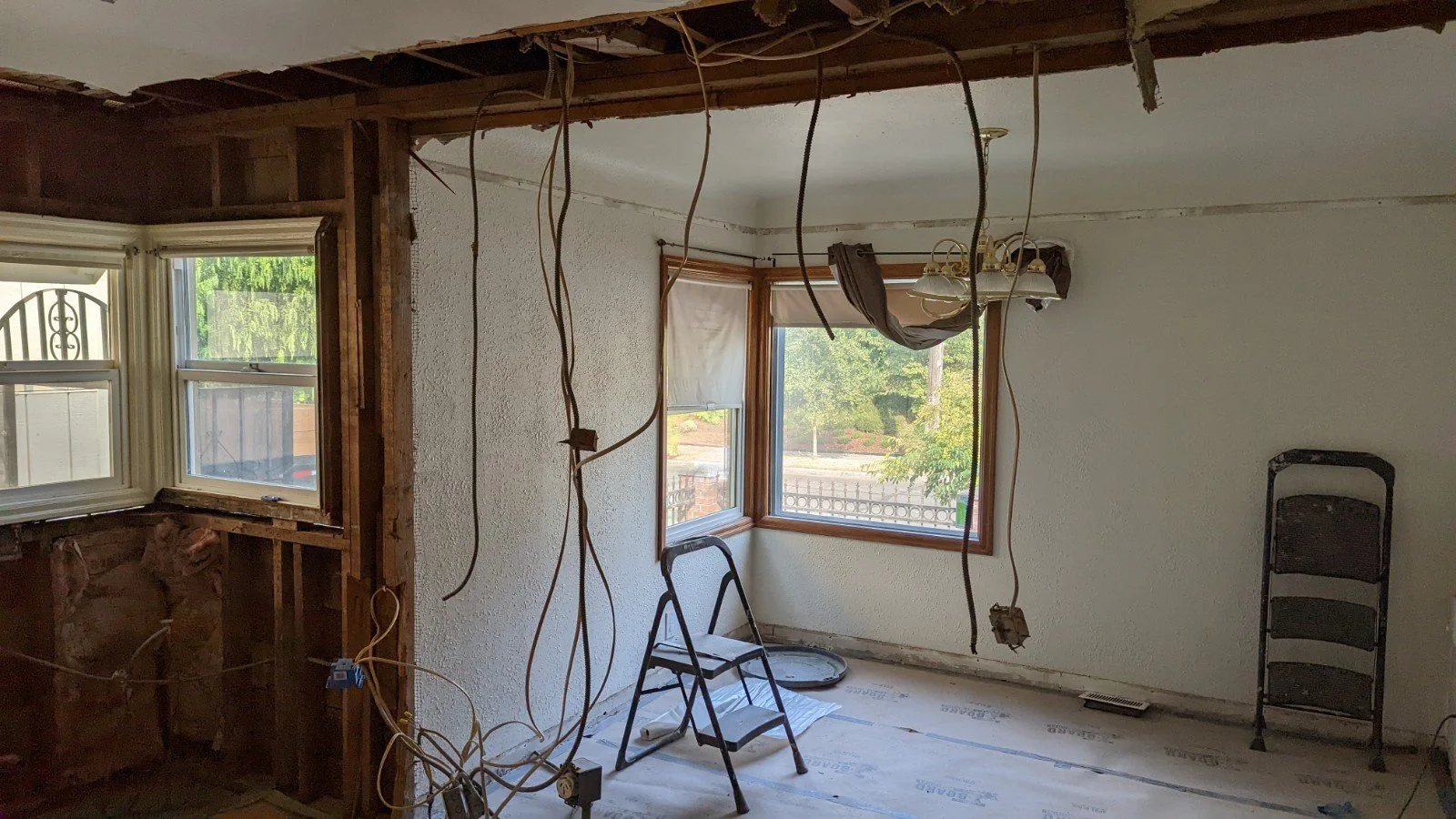
These are the elements that tie the home together visually.
Replacing flooring across an entire house, refinishing walls, and updating trim can take a significant portion of the budget, particularly when higher-quality materials are used.
Costs here are cumulative. A single room may seem manageable, but repeating that work across multiple spaces quickly scales up.
Mechanical systems (plumbing, electrical, HVAC)
These upgrades don’t always show, but they carry long-term weight.
In many Portland homes, notably aged ones, systems are either outdated or stretched beyond what modern living demands. A whole home remodel then becomes the only practical window to address them properly.
Typical ranges look like this:
Electrical rewiring: $10,000 to $30,000+
Plumbing replacement: $8,000 to $30,000+
HVAC system installation or upgrade: $10,000 to $20,000+
Those numbers can rise if access is difficult or if the home requires extensive rerouting. Opening walls in multiple areas at once does make these upgrades more efficient, which is one reason they’re often bundled into full-home projects.
Design, planning, and project management
This part tends to be underestimated until the project is already underway.
Design, planning and project management typically account for 12.5% to 20% of the total project cost. That includes architectural drawings, interior design selections, and the coordination needed to keep everything moving in the right order.
Without a clear plan, projects stall. Materials arrive late, trades overlap, decisions get made under pressure, and so on. That is where budgets and timelines start to drift.
A well-managed project, on the other hand, feels controlled even when unexpected issues inevitably come up.
How to Budget for a Whole Home Remodel Without Surprises
No remodel is completely predictable, but some budgets hold up far better than others. The difference usually comes down to how early the right decisions are made.
Set a realistic baseline budget
Start with what the home actually needs, not what looks good on a mood board.
It helps to separate priorities early:
Work that must be done for safety or function
Improvements that affect daily use
Features that can wait
This keeps the project grounded. It also makes it easier to adjust if costs shift later on.
Plan for a contingency fund
A contingency is not a backup plan. It’s part of the plan.
For whole home remodels in Portland, setting aside 15% to 20% of the total budget is standard. Older houses, in particular, tend to reveal issues once demolition begins.
That reserve typically covers:
Hidden structural or moisture damage
Mandatory Building Code-related upgrades
Material changes due to availability
Skip this step and you risk ending up pausing mid-way while decisions are reworked around budget limits.
Prioritize structural and system upgrades first
It’s tempting to focus on finishes early, but structure and systems set the foundation for everything else.
If adjustments need to be made during the project, it’s better to scale back on surface-level choices than to leave core systems untouched.
A home with updated wiring, solid plumbing, and a stable structure will always outperform one that looks new but still runs on outdated infrastructure.
Understand timeline impact on cost
Longer timelines mean extended labor, shifting material prices, and more coordination between trades. Delays can come from permit approvals, design revisions, or supply issues.
In Portland, weather can also play a role for projects that involve exterior work.
A realistic schedule helps control not just expectations, but expenses as well.
Is a Whole Home Remodel Worth the Cost?
For many homeowners, the alternative is moving. That comes with its own costs, along with the uncertainty of finding the right home in the right neighborhood.
A remodel offers a different path.
It allows you to keep the location you’re already invested in while reshaping the space to fit how you actually live. Layouts can be opened up, systems modernized, and long-standing issues finally addressed.
There’s also the question of character. Many homes here in Portland have details that are difficult to replicate today. Remodeling makes it possible to preserve those elements while bringing the rest of the house up to current standards.
The value isn’t limited to resale. It shows up in how the home functions day to day.
Whole Home Remodel Cost Calculator
A whole home remodel cost calculator is meant to give you a quick estimate based on square footage and a rough cost range. You plug in your home size, select a renovation level, and it spits out a ballpark figure. It’s useful for early planning, i.e., if you’re trying to figure out whether your project is closer to $250K or $600K.
That said, calculators have limits. They can’t account for what’s behind your walls, how much structural work is needed, or how far you plan to push the design. A 2,000 sq ft home with clean systems will land very differently from a 2,000 sq ft home with aging plumbing, uneven framing, and layout changes.
Treat any calculator result as a starting point. The real numbers come from walking the home and defining the scope in detail.
Closing Thoughts: Planning the Right Remodel Starts with Understanding the Cost
Whole home remodel costs are built from layers. The condition of the house, the scope of work, and the choices made along the way all shape the final number.
Understanding those layers early changes how the project unfolds. It leads to clearer decisions and fewer surprises, as well as a result that holds up over time.
If you need a group of local experts for your home improvement project, our licensed contractors at Revive Works Remodeling are always happy to help. Contact us today.